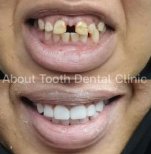
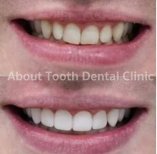
Composite veneers typically last between 5 and 7 years before requiring replacement. While high-quality resin and exceptional oral hygiene can extend this lifespan to 10 years, the material remains more porous than porcelain. This makes it naturally prone to eventual staining, chipping, and gradual wear.
- Material durability: Resin naturally absorbs pigments from coffee or tea, leading to discoloration within 3 years.
- Failure modes: Chipping from hard foods is the primary cause for replacement, often occurring by year 4.
- Maintenance requirements: Annual professional polishing at clinics like SmileBox Dental Clinic helps maintain the initial translucent finish.
- Protective measures: Wearing a custom nightguard significantly extends longevity by preventing resin fractures from nocturnal grinding.
Bookimed Expert Insight: Data from major Bangkok centers shows a trend where patients choosing 1-day composite packages often return for porcelain upgrades within 3 years. While clinics like Kitcha Dental Clinic offer expert resin sculpting, the 88% savings compared to US prices allows many to treat composites as a temporary aesthetic solution rather than a permanent fix.
Patient Consensus: Patients often report the need for minor touch-ups or repairs every 2 years to fix small chips. Many suggest choosing premium composite brands like Filtek to ensure the best color stability over time.