



4.9
(25 avaliações) 29 anos de experiência
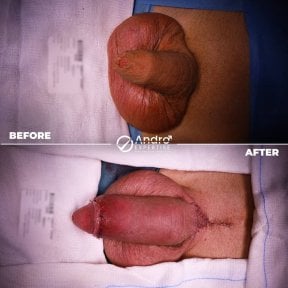
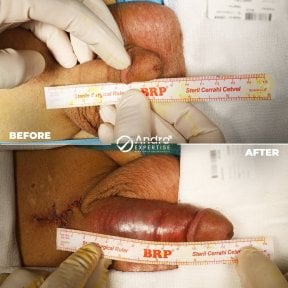
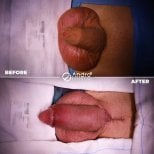
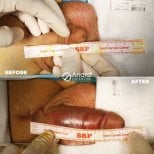
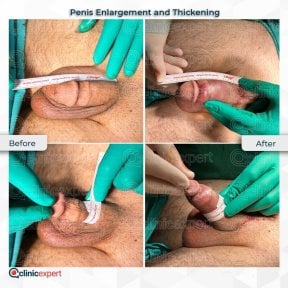
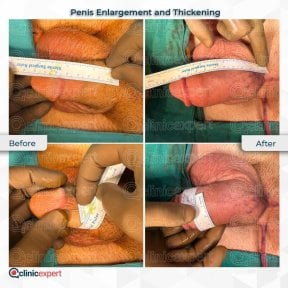
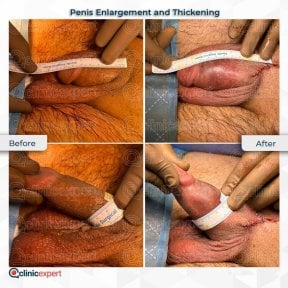
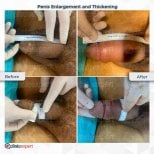
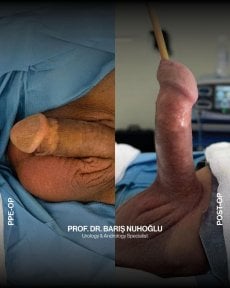
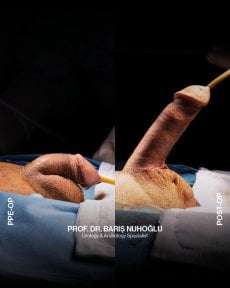
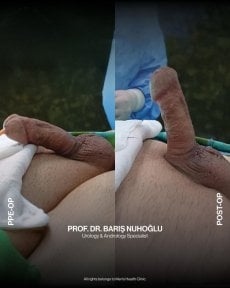
3-Piece Inflatable Penile Implant Surgery — All-Inclusive VIP Package with 1-Year Post-Op Support
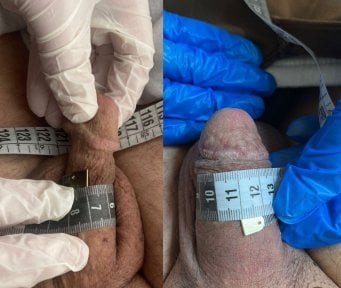
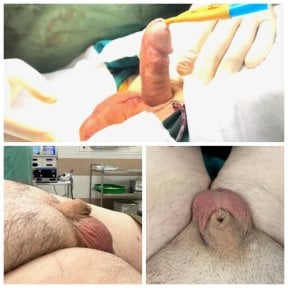
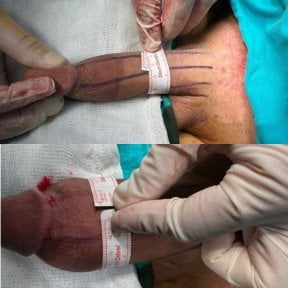
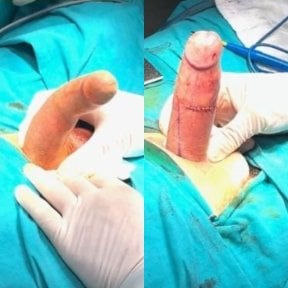
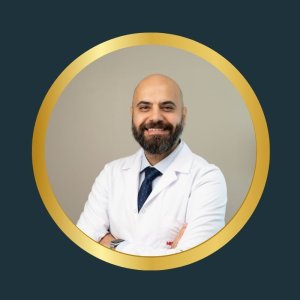
O Prof. Dr. Barış Nuhoğlu traz 28 anos de experiência em urologia, com mais de 900 procedimentos de implante peniano realizados. A clínica oferece próteses infláveis de 3 peças de alta qualidade, como Rigicon AX-10 e AMS LGX, com custos entre 8.500 € e 11.500 €. Este valor geralmente cobre a cirurgia, 5 noites em um hotel de 4 estrelas, traslados VIP e acompanhamento pós-operatório por 1 ano. Como membro da Associação Europeia de Urologia e certificado em cirurgia robótica, o Prof. Nuhoğlu especializa-se em casos complexos de implantes. A Men's Health Clinics possui acreditação JCI e reconhecimento pelo European Board of Urology.