Otorrinolaringologia/Ouvidos, Nariz e Garganta
| tratamento | |
|---|---|
| Intervenção para pólipos laríngeos com microcirurgia endolaríngea | Preço sob consulta |
| Tonsilectomia | Preço sob consulta |
| Timpanoplastia | Preço sob consulta |
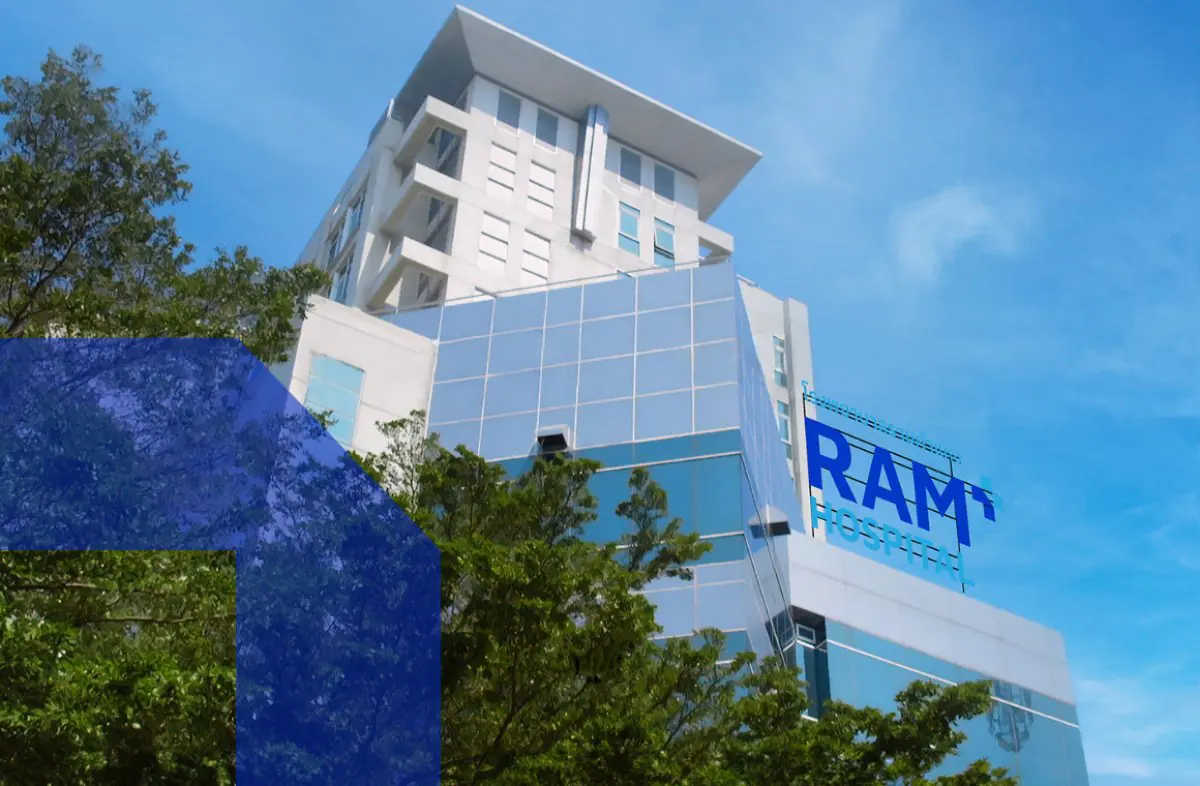
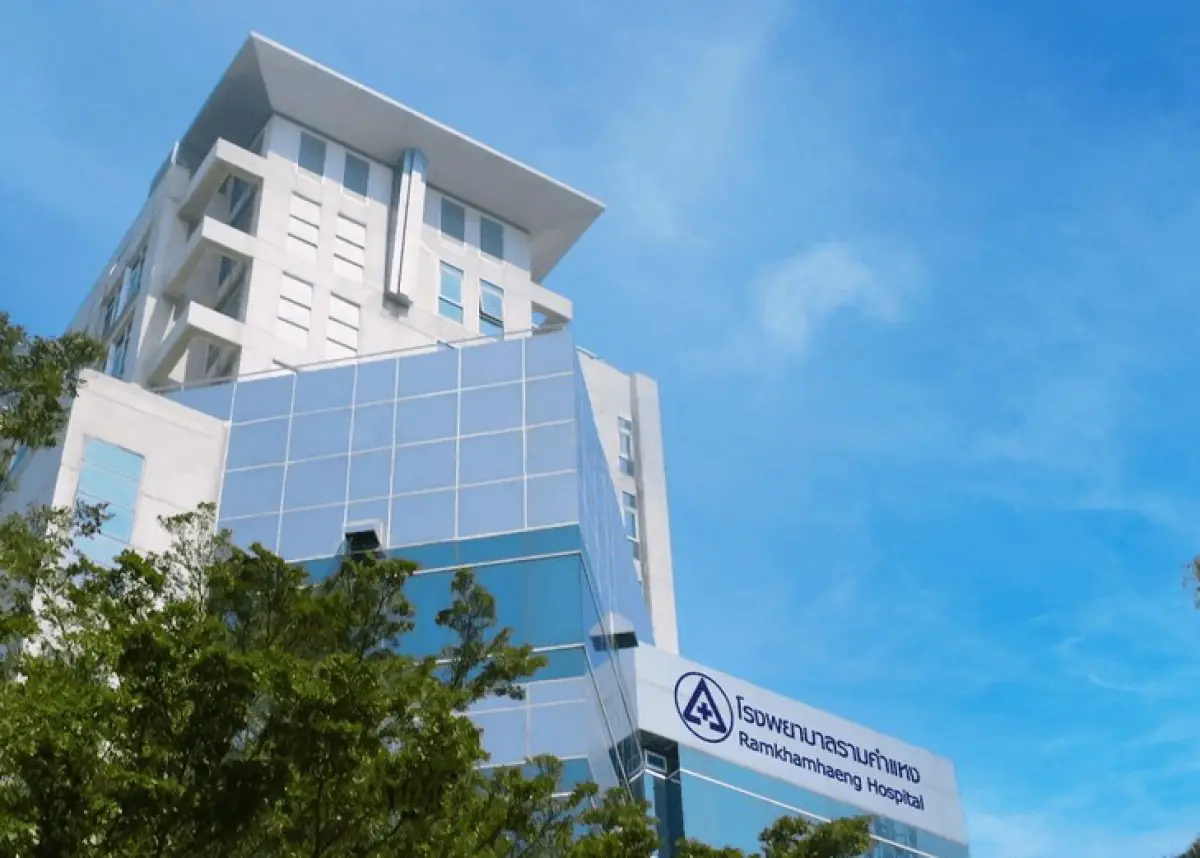

O Ramkhamhaeng Hospital é um centro médico multiespecializado em Bangkok, na Tailândia. Foca-se em cardiologia, neurologia e otorrinolaringologia. O hospital também oferece serviços pediátricos e atendimento de emergência 24 horas. É uma grande unidade privada com 486 leitos de internação. Médicos especialistas cobrem todos os principais ramos da medicina.
O hospital foi inaugurado em 1988, próximo ao Estádio Hua Mak. Está listado na Bolsa de Valores da Tailândia como uma empresa pública. A instalação abrange mais de 59.000 metros quadrados. Seu grupo gestor administra 31 hospitais com mais de 6.900 leitos. O Ramkhamhaeng possui acreditação da AACI e recebeu o prêmio AIA Hospital Award.

 Clínica não está aceitando novas solicitações
 Tempo médio de resposta — 5 minutos
| tratamento | |
|---|---|
| Intervenção para pólipos laríngeos com microcirurgia endolaríngea | Preço sob consulta |
| Tonsilectomia | Preço sob consulta |
| Timpanoplastia | Preço sob consulta |
| tratamento | |
|---|---|
| Reabilitação para artrite (por 1 dia) | Preço sob consulta |
| Reabilitação abrangente | Preço sob consulta |
| tratamento | |
|---|---|
| Diálise | Preço sob consulta |
| tratamento | |
|---|---|
| Aparelhos ortodônticos para crianças | Preço sob consulta |
Ramkhamhaeng Hospital is a private hospital in Bangkok that opened in February 1988. It is a large general facility with 486 inpatient beds. It belongs to a network of 31 affiliated hospitals across Thailand. Together, this group has more than 6,900 registered beds.
The hospital has won several awards for service quality. They recognize both clinical care and innovation. Notable achievements include:
Over 20 specialized doctors work across the major departments.
The Heart Center covers cardiology and vascular medicine. It treats heart problems through prevention and non-surgical methods. Specialized units include an Arrhythmia Department and a Cardiac Rehabilitation department. To check heart rhythm, doctors use the Multiday Patch Holter. This wearable device records heartbeats for 24 to 48 hours, so it can catch episodes that come and go.
The Neurology Center offers full diagnosis of brain and nerve conditions. Its RAM Pituitary Center treats pituitary conditions and brain cancer. During brain surgery, specialists use fiber tractography with MRI. This helps surgeons see the pathways of nerve fibers. Professor Sira Bunyaratavej and Dr. Noppasin Takerngdej lead the neurosurgery team.
The Minimally Invasive Endoscopic ENT Surgery Center treats ear, nose, and throat diseases. Its surgeons perform Functional Endoscopic Sinus Surgery (FESS). An endoscope lets them see structures that aren't visible to the naked eye. This method treats chronic sinusitis, nasal polyps, and deviated septums. Most patients stay in the hospital for one to two days after these sinus procedures.
Patients with acoustic neuroma have three treatment options. Small tumors may only need monitoring under a "Watch and Wait" approach. Doctors track their growth with regular MRIs and audiograms. For tumors under 3 cm, radiation with Gamma Knife or CyberKnife is available. Tumors larger than 3 cm usually need surgical removal.
The Children’s Health and Specialty Care Center treats children. Its dentistry unit offers orthodontic care, including braces for kids. Orthodontists check how teeth move during regular follow-up visits. Expectant mothers can get obstetric care here too. A team of midwives and obstetric nurses looks after patients from pregnancy through the postpartum period.
Rehabilitation is available after a stroke and for chronic conditions. For stroke recovery, the Neurology department uses electromagnetic wave technology. Dr. Jitra Wongwiwattananon and Dr. Kanintat Senchantichai run the physical medicine recovery programs. The hospital also has a Diabetic Foot Care Center and an Integrative Health Center.
The emergency department is open 24 hours a day. Emergency medicine specialists and nurses staff it. International patients can use these services:
Remote heart rhythm monitoring data goes to cloud storage. This means doctors can check ECG results anytime through a mobile app.
 Clínica não está aceitando novas solicitações
Tempo médio de resposta — 5 minutos