Para a página inicial
820К+ pacientes receberam assistência desde 2014
50 países
1,500 clínicas
6K+ avaliações
3K+ médicos qualificados

Qual é o Custo de Aumento mamário em Alemanha? Descubra Agora

O preço médio de Aumento mamário em Alemanha é $6,500, o preço mínimo é $4,500 e o preço máximo é $8,500.
AlemanhaTurquiaEUA
Aumento mamáriode $4,500de $3,725de $6,500
Aumento Mamário com Transferência de Gordurade $8,000de $4,410de $9,500
Aumento Mamário com Implantes em Forma de Gotade $6,500de $5,023de $8,500
Aumento Mamário com Implantes de Siliconede $6,000de $3,500de $8,000
Aumento Mamário com Implantes de Gomade $8,500de $3,500de $11,000
Dados verificados pela Bookimed em June 2026, com base em solicitações de pacientes e cotações oficiais de 363 clínicas em todo o mundo. Os custos medianos são baseados em faturas reais (2025–2026) e atualizados mensalmente. Os preços reais podem variar.

Seus Benefícios e Garantias com a Bookimed

Preços Diretos

A Bookimed não adiciona taxas extras aos preços de Aumento mamário. As tarifas vêm das listas oficiais das clínicas. O pagamento é feito diretamente na clínica na chegada.

Somente Clínicas e Médicos Verificados

A Bookimed está comprometida com sua segurança. Trabalha apenas com instituições que mantêm altos padrões internacionais em Aumento mamário e têm as licenças necessárias para atender pacientes internacionais em todo o mundo.

Assistência gratuita 24/7

A Bookimed oferece assistência gratuita de especialistas. Um coordenador médico pessoal apoia antes, durante e após o tratamento, solucionando problemas. Nunca está sozinho em sua jornada de Aumento mamário.

Por que nós?

Seu assistente Bookimed pessoal

  • Apoia em cada etapa
  • Ajuda a escolher clínica e médico adequados
  • Garante acesso rápido e conveniente à informação

Não perca ofertas exclusivas de Aumento mamário em Alemanha para junho 2026

Tipo de procedimento
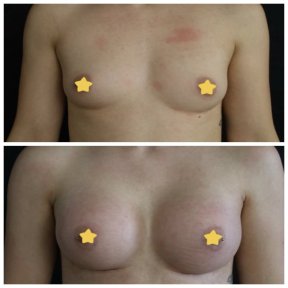
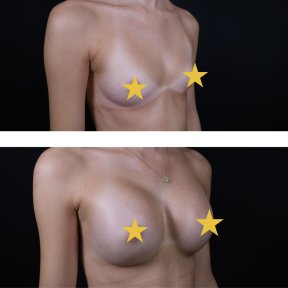
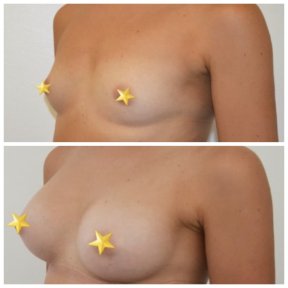
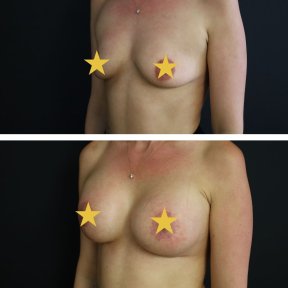
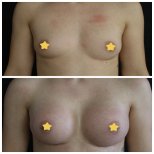
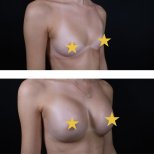
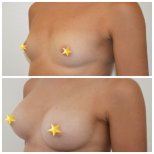
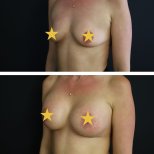
Before and after breast augmentation results at Esthétique du Nord, enhanced breast volume
Before and after breast augmentation results at Esthétique du Nord – enhanced breast volume
Before and after breast augmentation at Esthétique du Nord, visible volume increase result
Before and after breast augmentation results at Esthétique du Nord, enhanced breast volume
20 anos de experiência

Aumento de mama básico
  • Technique: Basic breast augmentation without the use of implants.
  • Walid Eljabu is triple board-certified in plastic aesthetic surgery, hand surgery, and trauma surgery, ensuring advanced anatomical expertise.
  • Esthétique du Nord is led by Dr. Eljabu, who trained at leading institutes in Sweden and Turkey for aesthetic procedures.
  • Included Services: Consultation with a plastic surgeon.
  • Stay Info: 1 day stay in the hospital room; hotel accommodation is not included in the price.
Visualizadas 1 de 8 pacotes

Descubra as Melhores Clínicas de Aumento mamário em Alemanha: 8 opções Verificadas e Preços

As clínicas são classificadas pelo sistema inteligente da Bookimed, com análise de ciência de dados em 5 critérios principais.

Aumento mamário em Alemanha: um cronograma dia a dia

Dia 1: Chegada na Alemanha
  • Ao desembarcar na Alemanha, certifique-se de ter todos os documentos necessários, incluindo passaporte, registros médicos e confirmação de consultas.
  • Faça o check-in na sua acomodação e descanse após a viagem. Isso ajudará a preparar-se para os próximos procedimentos médicos.
  • Familiarize-se com a área local e opções de transporte para a clínica.
  • Mantenha-se hidratado e evite álcool ou refeições pesadas. Isso ajudará a manter a saúde ideal antes do exame pré-operatório.
Dia 2: Consulta e Exame Pré-operatório
  • Você precisa ir à clínica para a consulta pré-operatória agendada. Isso inclui um exame mamológico usando ultrassom e possivelmente Ressonância Magnética/Tomografia Computadorizada para verificar condições como recorrência de tumor.
  • Discuta com seu cirurgião as técnicas específicas que podem ser usadas, como colocação de implantes ou técnicas combinadas usando seus próprios tecidos para um formato natural dos seios.
  • Faça todas as perguntas que possa ter sobre o procedimento, recuperação e cuidados de acompanhamento.
  • Receba um plano pré-operatório detalhado e instruções sobre como se preparar para a cirurgia, incluindo quaisquer restrições alimentares ou medicamentos a evitar.
Dia 3-6: Preparação para a Cirurgia
  • Siga quaisquer instruções específicas fornecidas pelo seu cirurgião, como parar certos medicamentos ou ajustar sua dieta.
  • Pratique atividades leves e evite exercícios intensos. Isso manterá seu corpo em condição ideal para a cirurgia.
  • Organize o transporte de e para a clínica no dia da cirurgia.
  • Prepare a área de recuperação pós-cirúrgica em sua acomodação. Inclua quaisquer suprimentos necessários, como roupa íntima especial (bustiê) fornecida pela clínica.
  • Mantenha contato com a clínica caso tenha dúvidas ou preocupações durante este período de preparação.
Dia 7: Dia da Cirurgia
  • Chegue à clínica no horário para a sua cirurgia de aumento mamário agendada.
  • O procedimento pode envolver aumento da mama esquerda e elevação da mama direita, dependendo do plano pré-operatório.
  • Passar pela anestesia e pelo procedimento cirúrgico, que normalmente leva algumas horas.
  • Após a cirurgia, você será monitorado em ambiente hospitalar por 2-3 dias para garantir uma recuperação segura.
  • Siga todas as instruções de cuidados pós-operatórios fornecidas pela equipe médica.
Dia 8-9: Internação Pós-operatória no Hospital
  • Durante a sua estadia no hospital, receba reabilitação e cuidados pós-operatórios precoces para promover a cicatrização.
  • Descanse e permita que seu corpo se recupere, seguindo quaisquer diretrizes de mobilidade ou atividade fornecidas pela equipe de saúde.
  • Discuta o progresso da sua recuperação com o seu cirurgião e aborde qualquer preocupação que possa ter.
  • Planeje sua alta e certifique-se de ter todos os medicamentos e instruções de cuidados necessários para o retorno à sua acomodação.
Dia 10: Alta e Recuperação
  • Retorne à sua acomodação e continue sua recuperação seguindo as diretrizes da clínica.
  • Use a roupa íntima especial (bustiê) fornecida para apoiar as mamas durante a cicatrização.
  • Pratique atividades leves e evite levantar objetos pesados ou praticar exercícios intensos.
  • Mantenha a área cirúrgica limpa e seca. Monitore qualquer sinal de infecção ou complicações.
  • Mantenha contato com a clínica e agende consultas de acompanhamento necessárias antes da partida.
Dia 11-12: Acompanhamento e Preparação para Partida
  • Compareça a todas as consultas de acompanhamento agendadas para avaliar o progresso da sua recuperação.
  • Discuta o cuidado a longo prazo e quaisquer visitas de acompanhamento adicionais necessárias após retornar para casa.
  • Certifique-se de ter todos os registros médicos e documentação do procedimento para referência futura.
  • Prepare-se para o retorno para casa. Certifique-se de ter todos os pertences pessoais e arranjos de viagem em ordem.
  • Entre em contato com a clínica se tiver alguma dúvida final ou necessitar de assistência antes da partida.
Dia 13: Partida da Alemanha
  • Faça o check-out da sua acomodação e viaje para o aeroporto para o seu voo de retorno para casa.
  • Continue seguindo as instruções de cuidados pós-operatórios durante a viagem para garantir uma recuperação tranquila.
  • Planeje visitas de acompanhamento conforme o cronograma fornecido pelo seu cirurgião.

A Bookimed, uma plataforma líder global em turismo médico, está comprometida em ajudar clientes que procuram Aumento de mama na Alemanha, oferecendo assistência especializada e soluções médicas confiáveis para cada situação. O sistema inteligente de classificação automática é utilizado para compor listas de clínicas transparentes, mantidas meticulosamente por um cientista de dados usando IA para precisão. A plataforma garante autenticidade ao publicar avaliações de pacientes reais após seus tratamentos. A Bookimed oferece soluções médicas abrangentes, com atualizações de clínicas para garantir confiabilidade. O conteúdo sobre Aumento de mama na Alemanha, elaborado por autores médicos experientes e revisado por especialistas, segue as Diretrizes Editoriais da Bookimed, refletindo o compromisso da plataforma em oferecer informações de saúde de alta qualidade e claras. Para mais detalhes ou dúvidas, sinta-se à vontade para nos contatar em marketing@bookimed.com ou saiba mais sobre nós e nossa missão aqui.

Obtenha uma avaliação médica para Aumento mamário em Alemanha: escolha seu especialista entre os melhores da área

Ver todos os médicos
verificado

Manuela Seifert

26 anos de experiência

A Dra. Manuela Seifert lidera o Centro de Oncologia Mamária na Clínica Solingen, especializada em cirurgias conservadoras da mama e reconstrução estética.

  • Mais de 20 anos de experiência em ginecologia e saúde da mama
  • Especialista em técnicas de conservação mamária para melhores resultados estéticos
  • Oferece cuidados abrangentes, desde o diagnóstico até o suporte pós-operatório
  • Chefe do Centro de Oncologia Mamária na Clínica Solingen
verificado

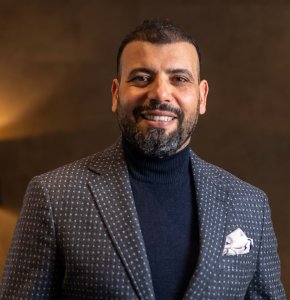
Walid Eljabu

20 anos de experiência

Dr. Walid Eljabu is triple board-certified in Plastic and Aesthetic Surgery, Hand Surgery, and Trauma Surgery. He has extensive experience in reconstructive and microsurgery. He trained in the UK and Germany, with additional specialist training in Sweden and Turkey. He is the CEO and Head Surgeon at Esthétique du Nord in Hamburg.

He specializes in facial rejuvenation (facelift, rhinoplasty), breast surgery, and body contouring. This includes inverse abdominoplasty.

Accreditation: MRCSEd (Royal College of Surgeons of Edinburgh). Memberships: Rhinoplasty Society of Europe; International Society of Aesthetic Plastic Surgery; German Society of Plastic, Reconstructive and Aesthetic Surgery; American Society of Plastic Surgeons; Royal College of Surgeons of Edinburgh; American Society for Surgery of the Hand; German Society of Hand Surgeons.

verificado

Mahdi Rezai

34 anos de experiência

O Dr. Mahdi Rezai tratou mais de 21.000 pacientes com câncer de mama e é um especialista em mama líder na Alemanha.

  • Chefe do Centro de Mama no Luisenkrankenhaus, Hospital Universitário de Dusseldorf, desde 1996
  • Especialista em tratamentos minimamente invasivos e de preservação mamária
  • Fundador do Grupo de Estudo do Câncer de Mama da Alemanha Ocidental (West German Study Group Breast Cancer)
  • Agraciado com a Ordem do Mérito da República Federal da Alemanha
  • Membro de múltiplas organizações internacionais de prestígio sobre o câncer de mama

Histórias em vídeo de pacientes da Bookimed

Vika
In a few hours, I went from being self-conscious to loving my new look.
Procedimento: Aumento mamário
Alona
A beautiful, natural shape and symmetry. Exactly what I wanted!
Procedimento: Aumento mamário
Clínica: Dr. MED
Alina
I went from an A to a B cup, and I’m thrilled with the results!
Procedimento: Aumento mamário

Aumento mamário: Fotos antes & depois

Ver todos Antes&Depois

Compartilhar este conteúdo

Atualizado: 05/27/2022
Autoria de
Anna Leonova
Anna Leonova
Chefe da Equipe de Marketing de Conteúdo
Redator médico certificado com mais de 10 anos de experiência, desenvolveu o conteúdo confiável do Bookimed, apoiado por Mestrado em Filologia e entrevistas com especialistas médicos em todo o mundo.
Fahad Mawlood
Editor médico e cientista de dados
Clínico geral. Vencedor de 4 prêmios científicos. Atuou na Ásia Ocidental. Ex-líder de equipe médica que atendia pacientes de língua árabe. Agora responsável pelo processamento de dados e precisão do conteúdo médico.
Fahad Mawlood Linkedin
Esta página pode conter informações relacionadas a várias condições médicas, tratamentos e serviços de saúde disponíveis em diferentes países. O conteúdo é fornecido apenas para fins informativos e não deve ser interpretado como orientação ou aconselhamento médico. Consulte um médico ou profissional de saúde qualificado antes de iniciar ou alterar qualquer tratamento médico.

FAQ sobre Aumento mamário em Alemanha

Estas Perguntas Frequentes provêm de pacientes reais que procuram assistência médica através da Bookimed. As respostas são dadas por coordenadores médicos experientes e representantes de confiança das clínicas.

What incision and placement methods are most common in Germany?

German plastic surgeons primarily use inframammary incisions and dual-plane implant placement to ensure natural results. The inframammary approach offers precise surgical access, while dual-plane placement combines submuscular and subglandular techniques to optimize tissue coverage and minimize visible implant edges.

  • Inframammary incision: Most common method involving a 3–4 cm cut within the natural underbust crease.
  • Dual-plane placement: Preferred standard for natural teardrop silhouettes, placing the implant partially under the muscle.
  • Subfascial placement: Growing trend offering faster recovery by positioning implants directly under the muscle fascia.
  • Transaxillary approach: Niche armpit incision used at specialized centers to keep the breast tissue scar-free.

Bookimed Expert Insight: German clinics like Esthétique du Nord in Hamburg often utilize B-Lite lightweight implants paired with microsurgical techniques. This combination is a strategic choice for patients seeking long-term stability, as lighter implants reduce tissue sag over time compared to traditional silicone options.

Patient Consensus: Patients frequently report that the inframammary scar becomes nearly invisible within the breast fold. Most emphasize that consultations focus heavily on achieving a conservative, natural shape rather than dramatic volume.

Will German health insurance cover breast augmentation?

German health insurance generally excludes breast augmentation unless you document a physical medical necessity. Public and private insurers categorize purely cosmetic procedures as elective. You may secure coverage for reconstruction after cancer, severe congenital deformities like tubular breasts, or documented gender-affirming care transitions.

  • Reconstructive surgery: Full coverage is standard following mastectomy or trauma-related breast loss.
  • Congenital deformities: Insurers may approve cases involving Poland syndrome or severe breast asymmetry.
  • Gender-affirming care: Coverage requires completing hormone therapy and psychotherapy per insurance guidelines.
  • Psychological exclusion: German law typically denies coverage for psychological distress without physical malfunction.

Bookimed Expert Insight: Documentation wording is the deciding factor for German insurers. Using terms like reconstruction or correction of deformity rather than cosmetic enhancement significantly improves approval odds. Clinics like Esthétique du Nord in Hamburg provide detailed consultations that help clarify if your specific case meets these strict physical criteria.

Patient Consensus: Many patients find that obtaining pre-authorization is the only way to avoid full out-of-pocket costs. Most successful cases rely on a surgeon's official medical report detailing a physical anomaly rather than emotional suffering.

What is the typical recovery timeline after surgery?

Recovery after breast augmentation in Germany typically includes a 1 day hospital stay for monitoring. Most patients return to light work within 7 to 14 days, while physical activities and heavy lifting are restricted for 6 weeks to ensure proper tissue healing and implant positioning.

  • Initial phase: Expect tightness and chest soreness during the first 3 to 7 days post-surgery.
  • Hospital stay: German clinics like Esthétique du Nord provide 1 day of clinical observation.
  • Physical restrictions: Avoid lifting over 10 pounds or reaching overhead for at least 3 weeks.
  • Final results: Tissues fully settle and implants reach their final position after 3 to 6 months.

Bookimed Expert Insight: While basic packages focus on the surgery, premium options in Germany often include a 3 to 7 day 5-star hotel stay. This is strategic because local surgeons, like triple board-certified Dr. Walid Eljabu, prefer patients to remain nearby during the critical first week for immediate follow-up if needed.

Patient Consensus: Patients find the first week most challenging due to limited arm mobility and sleep discomfort. Many emphasize that while you may look recovered early on, the mental patience required for internal healing is often underestimated.

How can I verify a surgeon’s qualifications in Germany?

Verifying a surgeon in Germany requires checking regional medical chambers called Landesärztekammer. Since Germany lacks a central national registry, you must use state-specific Arzt-Suche directories to confirm an active license (Approbation) and Facharzt specialist designation in plastic and aesthetic surgery.

  • Regional registration: Every surgeon must register with the Landesärztekammer of their specific federal state.
  • Specialist titles: Confirm the title Facharzt für Plastische und Ästhetische Chirurgie for specialized training.
  • Insurance directories: Use Kassenärztliche Vereinigung (KV) portals to verify surgeons billing the public system.
  • Hospital reports: Access Qualitätsberichte via Deutsches Krankenhausverzeichnis to review department volumes and complication rates.

Bookimed Expert Insight: German surgeons often hold multiple certifications across different countries. For instance, Dr. Walid Eljabu at Esthétique du Nord is triple board-certified in plastic, hand, and trauma surgery with credentials from the Royal College of Surgeons of Edinburgh. Checking for international memberships like ISAPS or ASPS alongside German registration provides an extra layer of quality assurance.

Patient Consensus: Patients emphasize looking for a board-certified plastic surgeon rather than a cosmetic doctor. They recommend asking for specific annual caseload numbers and confirming the surgeon personally handles any potential follow-up care.

Can I still breastfeed or undergo breast-cancer screenings after the procedure?

You can safely undergo breast cancer screenings and breastfeed after augmentation in Germany. Surgeons prioritize submuscular placement and inframammary incisions to keep milk ducts and nerves intact. Modern German facilities use specialized displacement mammography and high-precision ultrasound to ensure implants do not compromise diagnostic accuracy.

  • Screening accuracy: Technologists use displacement views to push implants back, maximizing visible natural tissue.
  • Advanced imaging: Clinics like Medical Center Solingen utilize 3D mammography for superior diagnostic precision.
  • Breastfeeding safety: Inframammary incisions under the breast crease typically leave the milk delivery network untouched.
  • Implant placement: Submuscular positioning minimizes interference with glandular tissue compared to placement above the muscle.

Bookimed Expert Insight: While many focus on silicone versus saline, the incision site is actually the critical factor for future nursing. Data suggests that choosing a surgeon like Dr. Walid Eljabu at Esthétique du Nord, who specializes in advanced microsurgical techniques, reduces the risk of nerve damage that can impact milk let-down.

Patient Consensus: Individuals emphasize that while breastfeeding usually succeeds, you must alert mammogram technicians about implants beforehand. Some patients also recommend regular self-exams, noting that any new lumps or changes require immediate clinical evaluation.

What types of breast implants are permitted and considered safe in Germany?

Germany permits cohesive silicone gel and sterile saline implants as the only primary materials for breast augmentation. These devices are strictly regulated as CE Class III medical items under the European Medical Device Regulation. The Federal Institute for Drugs and Medical Devices monitors all permitted variants for safety.

  • Silicone gel implants: Use highly cross-linked, cohesive gel often called gummy bear implants for stability.
  • Saline solution implants: Feature a silicone shell filled with saltwater that the body absorbs if leakage occurs.
  • Surface safety standards: Smooth and nanotextured surfaces are permitted while macro-textured implants are restricted or banned.
  • Mandatory registry tracking: Every procedure must be legally recorded in the National Implant Registry for patient safety.

Bookimed Expert Insight: German clinics like Esthétique du Nord in Hamburg often prioritize premium B-lite implants, which are up to 30% lighter than traditional silicone. This focus on advanced technology aligns with German surgeons’ preference for long-term tissue health and reduced strain on breast ligaments.

Patient Consensus: Patients prioritize cohesive silicone gel for its natural feel and often ask for specific documentation like the official European Implant Passport. There is a strong preference for smooth surfaces to minimize long-term inflammation risks.

Do breast implants need to be replaced after 10 years?

Breast implants do not require automatic replacement after 10 years. While not lifetime devices, the decade mark is a monitoring milestone rather than an expiration date. Modern silicone and saline shells often remain structurally sound for 15 to 20 years without medical intervention or complications.

  • Replacement triggers: Surgery is only necessary for ruptures, capsular contracture, or desired cosmetic changes.
  • Rupture detection: Saline leaks cause visible deflation, while silicone requires ultrasound or MRI monitoring.
  • Shell durability: Modern implants typically retain over 90% of their original tensile strength after 10 years.
  • Monitoring protocol: Surgeons recommend imaging every 2 to 3 years starting at year 5.

Bookimed Expert Insight: German clinics like Esthétique du Nord often utilize lightweight B-lite implants, which reduce long-term tissue sagging compared to standard silicone. Choosing advanced materials or non-implant fat transfer, which averages $8,000 in Germany, can eliminate the need for future implant-related revision surgeries entirely.

Patient Consensus: Many patients regret believing the 10-year myth and wish they knew implants often last much longer. They emphasize choosing surgeons who provide clear, long-term follow-up plans to monitor for silent ruptures.

Where are the incisions typically made and how visible are the scars?

Breast augmentation incisions in Germany are typically placed in the inframammary fold or around the areolar edge to minimize visibility. Surgeons like Dr. Walid Eljabu use advanced techniques to ensure scars settle into natural skin creases, typically fading into thin, faint lines within 6 to 12 months after surgery.

  • Inframammary incision: Placed under the breast fold, hiding scars within the natural lower crease.
  • Periareolar incision: Made around the nipple edge, blending with the natural pigmentation transition.
  • Scar maturation: Initial redness fades over months, eventually becoming difficult to detect.
  • German standards: Clinics in Hamburg and Nuremberg utilize meticulous suturing for optimal healing.

Bookimed Expert Insight: While many focus on scar location, the choice of implant often dictates the incision length. Packages at Esthétique du Nord featuring B-Lite lightweight implants are popular because these implants can sometimes be inserted through slightly smaller, more refined incisions than traditional silicone, potentially reducing the final scar footprint.

Patient Consensus: Patients emphasize that the inframammary approach is the most discreet option for most body types. While scars appear red initially, they consistently report that the lines become nearly invisible once they reach the one-year mark.

Should the implant be placed over or under the chest muscle?

Choosing implant placement depends on your anatomy and desired look. Under the muscle placement provides natural results and reduces visible rippling for thin patients. Over the muscle placement offers a faster recovery and is ideal for women with sufficient natural tissue or active lifestyles.

  • Submuscular placement: Provides superior long-term support and masks implant edges in petite patients.
  • Subglandular placement: Sitting entirely above the muscle, this technique prevents distortion during heavy chest exercise.
  • Recovery time: Over the muscle placement leaves chest muscles intact, ensuring a faster return to work.
  • Advanced options: German clinics specialized in breast health also offer natural fat transfer and B-lite implants.

Bookimed Expert Insight: German surgeons like Walid Eljabu at Esthétique du Nord carry rare triple board certifications. This anatomical expertise is crucial when navigating complex dual-plane placements. We see many patients choosing Germany specifically for this high level of surgical precision and microsurgical background.

What is the typical recovery timeline after breast-augmentation surgery in Germany?

Recovery from breast augmentation in Germany typically requires 6 to 8 weeks for structural healing, with final aesthetic settling taking 12 months. Patients usually resume desk work within 5 to 7 days, though German surgeons strictly prohibit driving for 14 days and heavy lifting for 6 weeks.

  • Hospital stay: Most clinics require 1 night for observation following general anesthesia.
  • Activity restrictions: Heavy lifting over 3 kg and arm elevation are restricted for 4 weeks.
  • Support garments: A compression bra and Stuttgart belt are mandatory 24/7 for 6 weeks.
  • Final results: Breasts undergo drop and fluff maturation over 3 to 12 months.

Bookimed Expert Insight: German clinics like Esthétique du Nord often prioritize premium B-Lite implants, which are 30% lighter than standard silicone. This weight reduction can positively impact long-term recovery by reducing strain on breast tissue and potentially slowing natural sagging over time.

Patient Consensus: Many find the first 3 to 7 days surprisingly difficult for basic tasks like bathing or dressing. They recommend planning for help at home as limited arm mobility is standard during the first week.

Do breast implants need to be replaced every 10 years?

Modern breast implants do not require automatic replacement every 10 years. While the FDA labels them as non-lifetime devices, high-quality silicone and saline implants frequently last 20 years or longer. Revision is only necessary if medical complications arise or you desire an aesthetic change in size or shape.

  • Annual monitoring: Yearly physical exams by a surgeon help detect early signs of shell wear.
  • Imaging protocols: FDA guidelines recommend an initial ultrasound or MRI after 5 to 6 years.
  • Silent ruptures: Recurring screenings every 2 to 3 years identify leaks in cohesive silicone gels.
  • Replacement triggers: Immediate surgery is indicated for capsular contracture, implant rupture, or visible deflation.

Bookimed Expert Insight: German clinics like Esthétique du Nord often utilize B-Lite lightweight implants to reduce long-term tissue strain. Our data shows that high-volume centers led by triple board-certified surgeons like Dr. Walid Eljabu focus on advanced microsurgical techniques. This precision helps minimize early scar tissue formation, which is a primary reason for premature implant replacement.

Patient Consensus: Many patients report their implants remaining intact and comfortable well beyond the 10-year mark. The prevailing sentiment highlights that monitoring through regular imaging is more vital than a fixed surgical deadline.

Obtenha uma consulta gratuita

Selecione a melhor forma de contato