Para a página inicial
4.6/5
TrustPilot

Melhores Pólipos nasais médicos em Solingen - TOP-2 médicos

Compare os principais médicos e preços de Pólipos nasais em Alemanha. Encontre o seu melhor par aqui.

Receba orçamentos de 3 principais especialistas em em Alemanha

Vamos selecionar os melhores médicos com base nas suas necessidades e orçamento.

Melhores médicos

2

Alemanha

Avaliações

14000+

De pacientes reais

Receba planos de tratamento personalizados gratuitos e escolha a melhor opção. Sem compromisso · Sem pagamentos pelos nossos serviços

Mostrar primeiro:

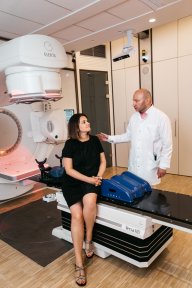
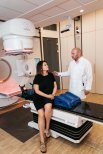
Consultation before radiotherapy at Medical Center in Solingen, advanced cancer treatment
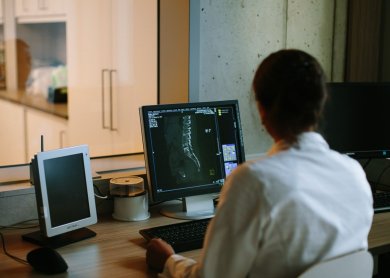
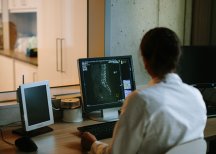
Doctor reviews spinal MRI results after herniated disc surgery at Medical Center in Solingen
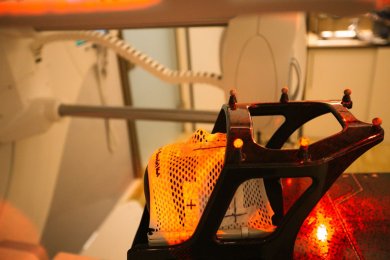
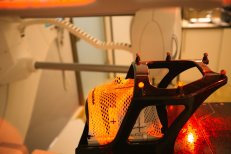
Radiotherapy mask for head and neck cancer treatment at Medical Center in Solingen
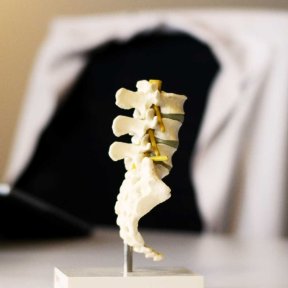
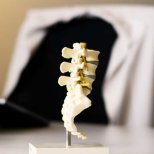
Herniated disc surgery result at Medical Center in Solingen – improved spine alignment
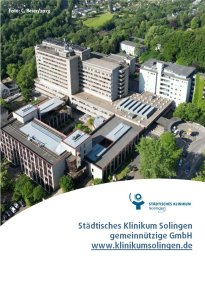
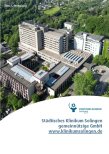
Aerial view of Medical Center in Solingen, modern hospital surrounded by greenery
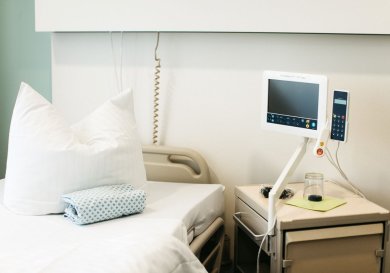
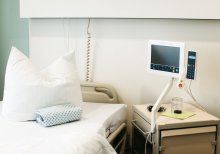
Patient recovery room at Medical Center in Solingen after herniated disc surgery procedure
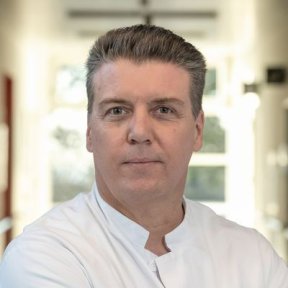
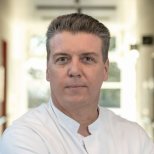
Spine surgeon at Medical Center in Solingen, expert in herniated disc surgery procedures
Medical Center in Solingen logo, Städtisches Klinikum branding for hospital and clinic
Ralf Buhl

Ralf Buhl

4 Bom8 avaliações
28 anos de experiência
4000+ tratamentos realizados
Clínica certificada
Best doctor for herniated disc treatment
German Cancer Society
Localização: Alemanha, Solingen

O Dr. Buhl é um renomado neurocirurgião especializado em condições complexas do cérebro e da medula espinhal, com extensa pesquisa em neurocirurgia.

  • Autor de 47 artigos científicos sobre neuropatologia
  • Especialista em técnicas de microcirurgia e minimamente invasivas
  • Fundador de um fundo dedicado à pesquisa de tumores cerebrais
  • Especializado em neuronavigação assistida por computador para cirurgias de precisão
Consulta médicaPreço sob consulta
Medical Center in Solingen
Andreas Sesterhenn

Andreas Sesterhenn

26 anos de experiência
Clínica certificada
Best doctor for herniated disc treatment
German Cancer Society
Localização: Alemanha, Solingen

O Prof. Andreas Sesterhenn é especialista em cirurgias nasais minimamente invasivas, realizando procedimentos endoscópicos e robóticos precisos com incisões de apenas 1 cm.

  • Diretor Clínico de ORL e Cirurgia Plástica na Clínica Solingen desde 2012
  • Mais de 11 anos de experiência em cirurgias de cabeça e pescoço
  • Autor de 78 publicações científicas na área
  • Formação em otorrinolaringologia na Universidade Phillips de Marburg
Consulta médicaPreço sob consulta

Escolher clínica no exterior pode ser estressante. No Bookimed, com mais de 800K pacientes atendidos, entendemos preocupações. Sabemos encontrar médicos confiáveis, melhores opções de custo-benefício e soluções até para casos complexos. Estamos aqui para orientar em cada etapa.

Yan Matsiivskiy

Chefe da Equipe de Coordenadores Médicos

4300++ jornadas de pacientes acompanhadas

3 anos na Bookimed

1022 pacientes de Germany encontraram seu médico conosco este mês

Como você encontrará seu médico ideal

1

Quiz de 2 minutos

Conte-nos seu objetivo, orçamento e prazo

2

Combinação Humana + IA

Nosso algoritmo encontra correspondências, o coordenador verifica a adequação

3

Suas opções prontas

Compare preços, pacotes, datas. Converse com seu coordenador

Muitas opções?

Seu pessoal O coordenador da Bookimed ajuda você a encontrar o cirurgião ideal para suas necessidades

  • Apoio 24/7 em todas as etapas
  • Ajuda a encontrar o médico ideal e gerencia toda a comunicação com as clínicas
  • Coordena sua viagem, acomodação e transferências

Orientando seu tratamento

Coordenadores pessoais com formação médica

Peguy Beaugris
Tetyana Hyrych
Zekra Eldeeb
Victoria Olayinka
Iryna Sydorchuk
Tetiana Ihnatiuk

Escolhendo Médico e Clínica: Dicas Internas

Ao selecionar médico ou clínica, considere estes pontos-chave:
Verificar credenciais
Confirmar certificações de entidades como ISAPS, JCI etc.
Analisar taxas de sucesso
Escolha médicos com sólida experiência no tratamento específico.
Ler avaliações de pacientes
Avaliações reais de pacientes Bookimed para conhecer experiências.
Garantir comunicação
Escolher clínicas que oferecem suporte de idioma para tratamento tranquilo.
Perguntar sobre serviços
Confirme se o valor inclui serviços como acomodação, traslados locais e acompanhamento pós-tratamento para evitar custos ocultos.

Bookimed Insights: Principais especialistas em Pólipos nasais em Alemanha (2026)

A Bookimed coordenou 19 solicitações de tratamento para Pólipos nasais em Alemanha, trabalhando em conjunto com 2 especialistas bem avaliados. Os médicos desta tabela são selecionados com base em credenciais internacionais, expertise clínica e resultados dos pacientes. O ranking de 2026 é formado com dados verificados de casos reais e programas atuais das nossas clínicas parceiras.
ClassificaçãoMédicoexperiênciaBom paraO que os diferenciaClínica e localizaçãoConsulta
#128 anos de experiênciaCasos neurocirúrgicos complexosPioneiro no tratamento de cavernomas intracranianos e cirurgia de metástases cerebrais. Publicou extensivamente em revistas médicas europeias e fundou um fundo de pesquisa de tumores cerebrais.
Alemanha
de $250
#226 anos de experiênciaCirurgia nasal minimamente invasivaRealiza cirurgias nasais endoscópicas e robóticas precisas com incisões minúsculas. Médico-Chefe na Clínica Solingen com um vasto histórico de publicações.
Alemanha
Preço sob consulta

FAQ

Estas Perguntas Frequentes provêm de pacientes reais que procuram assistência médica através da Bookimed. As respostas são dadas por coordenadores médicos experientes e representantes de confiança das clínicas.

What are the primary treatment options available in Germany for nasal polyps?

German ENT specialists treat nasal polyps using a stepwise approach focused on reducing inflammation and restoring breathing. Initial therapy typically includes intranasal corticosteroids like mometasone or budesonide. For persistent cases, advanced options include functional endoscopic sinus surgery and monoclonal antibody biologics to prevent recurrence.

  • Medical therapy: Corticosteroid sprays or drops serve as the primary first-line treatment.
  • Biologic injections: Dupilumab and Mepolizumab target Type 2 inflammation in severe cases.
  • Endoscopic surgery: Surgeons use microdebriders for minimally invasive polyp removal without incisions.
  • Saline irrigation: Daily nasal rinsing is standard protocol in 80% of departments.

Bookimed Expert Insight: German university hospitals like Essen or Heidelberg often provide access to clinical trials for new biologics before they reach general clinics. While surgical wait times in the public sector can reach 6 months, academic centers frequently handle 300,000+ patients annually. This high volume allows these institutions to offer more precise diagnostic staging through early CT imaging and IgE testing.

Patient Consensus: Patients note that starting biologics often requires home injection training and emphasize the importance of requesting a biopsy early. Many highlight that following a strict post-operative rinsing routine significantly helps prevent the polyps from returning after surgery.

Are biologic drugs such as Dupilumab accessible in Germany for nasal polyps?

Dupilumab is widely accessible in Germany for chronic rhinosinusitis with nasal polyps. It was the first biologic approved in late 2019. Patients often receive it as an add-on therapy for severe cases. Statutory health insurance typically covers the costs after documented failures of standard treatments.

  • Approval status: Dupilumab was approved in Germany in October 2019.
  • Clinical criteria: Patients must show type 2 inflammation or significant quality-of-life impairment.
  • Usage trend: Biologic use for polyps in Germany rose to 5% by 2023.
  • Treatment history: Insurers require proof of failed surgery or steroid treatments first.

Bookimed Expert Insight: German university hospitals demonstrate higher proficiency in streamlining biologic drug authorizations. Centers like Medical Center in Solingen or Essen University Hospital handle thousands of complex cases annually. These institutions often have dedicated departments that manage the 4–12 week insurance approval process more efficiently than smaller rural practices. Patients should target clinics with over 50,000 annual visits for faster access to these specialized therapies.

Patient Consensus: Patients emphasize the need to keep detailed records of all past nasal sprays and rinses. They note that while approval can take months, the relief from symptoms often postpones the need for further surgeries.

What does the diagnostic work-up for nasal polyps include in German centres?

Diagnostic work-up in German ENT centers follows strict national S2k-Leitlinie protocols. It typically starts with nasal endoscopy for visual confirmation. Advanced imaging and biomarker analysis follow to map sinus anatomy and determine inflammatory endotypes. These processes ensure accurate surgical planning or biologic therapy eligibility.

  • Nasal endoscopy: Surgeons use rigid or flexible cameras to visualize translucent growths.
  • Computed tomography: Low-dose CT scans provide mandatory anatomical mapping before any surgery.
  • Olfactory testing: Validated Sniffin Sticks measure smell loss to track treatment efficacy.
  • Biomarker analysis: Blood eosinophil counts help identify candidates for targeted biologic therapies.

Bookimed Expert Insight: German university hospitals like Essen integrate digital imaging and AI to refine diagnosis. Our data shows clinics like Solingen, where Prof. Dr. Andreas Sesterhenn works, emphasize robotic and endoscopic nasal interventions. This suggests a pattern where high-volume centers prioritize minimally invasive diagnostic precision to reduce recovery times. Choosing a facility with ISO or JCI accreditation often ensures standardized access to these advanced diagnostic technologies.

Which hospitals in Germany are internationally recognised for nasal-polyp care?

Germany hosts internationally recognized centers for nasal polyp care, with top facilities like Charite Berlin and University Hospital Heidelberg consistently appearing in rankings. These institutions offer advanced endoscopic sinus surgery and biologic treatments. Facilities often hold Joint Commission International or ISO certifications to ensure high quality standards.

  • University excellence: Charite Berlin and Heidelberg lead in complex ear, nose, and throat cases.
  • Specialized experts: Prof. Dr. Andreas Sesterhenn in Solingen is a FOCUS-recognized sinus surgery specialist.
  • High volume: Nordwest Clinic in Frankfurt treats over 25,000 ENT patients annually with success.
  • International standards: Asklepios Hospital Barmbek holds MTQUA certification for high-quality medical tourism services.

Bookimed Expert Insight: While top-tier university hospitals handle over 300,000 patients annually, private facilities like Meoclinic in Berlin bridge the gap by offering ISO-certified care with faster appointment scheduling. Larger academic centers typically manage complex cases like Samter's Triad, while municipal hospitals often provide more personalized attention for routine polypectomy.

Patient Consensus: Patients note that major German university hospitals provide world-class expertise and often prefer these public institutions for complex revision surgeries. Most report that English support is common in major cities, though preparing medical records in advance helps navigate the local bureaucracy.

Will nasal polyps grow back after treatment?

Nasal polyps frequently recur because treatment often addresses the growths rather than the underlying chronic inflammation. Approximately 20% to 40% of patients experience regrowth within a few years of surgery. Long-term data suggest recurrence rates can reach 80% over 12 years without consistent management.

  • Recurrence timeline: Regrowth may appear within months or years after successful endoscopic surgery.
  • Surgical outcomes: German centers like Medical Center in Solingen perform specialized endoscopic sinus surgery.
  • High-risk factors: Patients with asthma or aspirin sensitivity face significantly higher risks of faster regrowth.
  • Preventative care: Daily saline irrigation and steroid sprays are essential to maintain clear nasal passages.
  • Biologic therapy: Modern medications like Dupixent help target inflammatory pathways to prevent repeat operations.

Bookimed Expert Insight: German clinics like Asklepios Hospital Barmbek and Essen University Hospital integrate high-volume clinical research into routine care. Data shows that clinics handling over 100,000 patients annually often provide earlier access to biologics. This specialized focus helps reduce the 50% to 70% recurrence risk typical for chronic cases.

Patient Consensus: Patients emphasize that strictly following post-operative steroid routines is vital to preventing early regrowth. Many suggest tracking asthma and allergy triggers aggressively to avoid the need for a second surgery.

What is the typical recovery timeline after endoscopic sinus surgery in Germany?

Most patients return to work within 7 days after endoscopic sinus surgery in Germany. Initial discomfort and congestion peak in the first 48 hours. Internal healing typically requires 4 to 8 weeks for the sinus lining to recover fully. Clinics often provide a 1-week medical certificate initially.

  • Physical activity: Avoid heavy lifting over 4.5kg for at least 14 days.
  • Air travel: Specialists recommend waiting 3 weeks before flying due to pressure.
  • Daily routine: Saline rinses are required 4 times daily to prevent crusting.
  • Post-operative care: Follow-up endoscopies usually occur at 1, 3, and 6 weeks.

Bookimed Expert Insight: German university hospitals like Essen or Heidelberg manage exceptionally high patient volumes, exceeding 300,000 annually. This high frequency often correlates with standardized post-operative protocols. Large centers often utilize digital imaging to track healing precisely during the critical 6-week recovery window.

Patient Consensus: Patients report that the first week involves significant congestion and crusting that feels worse than before surgery. They emphasize that sticking to the strict saline rinse schedule is vital for reaching 70% recovery by the second week.



