Intrarat Hospital
A Tailândia tornou-se um dos destinos mais confiáveis na Ásia para tratamento de catarata, correção visual a laser e substituição de lente ocular. Quando os pacientes comparam as opções regionais, como as clínicas oftalmológicas mais bem avaliadas da Ásia, a Tailândia destaca-se consistentemente pela sua combinação de tecnologia moderna, cirurgiões com formação internacional e preços acessíveis.
Introdução aos Cuidados Oftalmológicos na Tailândia

Desenhado por Freepik
Os cuidados oftalmológicos incluem a prevenção, diagnóstico e tratamento de condições que afetam a visão e a saúde ocular. Problemas comuns — como erros refrativos, cataratas, glaucoma, distúrbios da córnea e doenças da retina — são geridos com imagiologia moderna e técnicas microcirúrgicas precisas.
💡De acordo com a Organização Mundial da Saúde, exames oftalmológicos regulares desempenham um papel crucial na deteção precoce de problemas.
✅ Oftalmologistas na Tailândia utilizam tipicamente ferramentas de diagnóstico como OCT, topografia da córnea, biometria ótica e imagiologia da retina de campo amplo. Os departamentos cirúrgicos aplicam plataformas de laser de femtosegundo, sistemas de facoemulsificação avançados e tecnologia SMILE — equipamentos comumente encontrados em centros oftalmológicos reconhecidos internacionalmente.
Por que escolher a Tailândia para tratamento oftalmológico
A Tailândia é amplamente reconhecida como um dos destinos mais confiáveis da região para oftalmologia de alta qualidade. Os pacientes que pesquisam o melhor hospital oftalmológico na Tailândia selecionam frequentemente o país porque este oferece padrões médicos avançados, preços transparentes e um forte apoio a pacientes internacionais.
💡Em 2024, o mercado de turismo médico do país ultrapassou várias centenas de milhões de USD e projeta-se que continue a crescer até 2030, apoiado por investimento governamental e infraestruturas hospitalares modernas.
Banguecoque, a Tailândia Central e o Sul da Tailândia possuem os sistemas de saúde oftalmológica mais avançados e lideram em consultas, cirurgias e receitas de cuidados oculares.
A Tailândia cumpre o padrão da OMS de 1 oftalmologista por 100.000 pessoas, atingindo 1,52 em 2008. No entanto, a maioria dos especialistas está sediada na capital, onde se encontra o melhor hospital oftalmológico em Banguecoque, enquanto as áreas rurais permanecem com menos cobertura.
Acreditação internacional
Os hospitais de operações oculares asiáticos possuem acreditações internacionais, como a Joint Commission International (JCI), com cerca de 62 hospitais acreditados pela JCI na Tailândia.
Os departamentos de oftalmologia seguem protocolos rigorosos de esterilização e controlo de infeções semelhantes aos aplicados nos principais centros da Europa, EUA e Singapura.
Oftalmologistas com formação global
Os oftalmologistas tailandeses completam formação especializada ou bolsas de estudo em instituições reconhecidas internacionalmente, como o Moorfields Eye Hospital, o Singapore National Eye Centre e o Bascom Palmer Eye Institute.
Os especialistas também possuem filiações globais na American Academy of Ophthalmology, no Royal College of Ophthalmologists, na European Society of Cataract & Refractive Surgeons e na Asia-Pacific Academy of Ophthalmology.
Tecnologia avançada
Para serem considerados o melhor hospital na Tailândia para estrangeiros, os centros oftalmológicos respeitados utilizam sistemas cirúrgicos e de diagnóstico modernos, incluindo lasers de femtosegundo e scanners de retina de campo amplo.
Estas ferramentas apoiam avaliações precisas e resultados previsíveis em tratamentos de catarata, refrativos, da córnea e da retina.
Acesso rápido aos cuidados
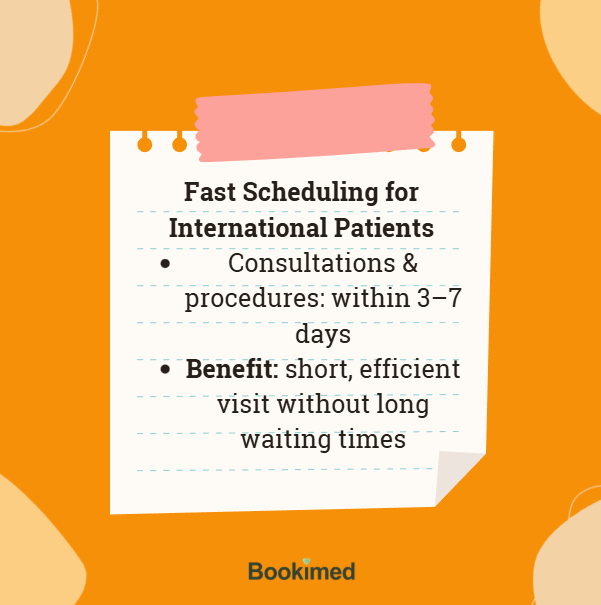
Consultas e procedimentos podem frequentemente ser agendados dentro de 3–7 dias, permitindo que pacientes internacionais completem diagnósticos, tratamento e visitas pós-operatórias precoces durante uma curta viagem.
Preços transparentes e acessíveis
O custo da cirurgia de substituição de lente ocular na Tailândia, juntamente com outros preços, é tipicamente muito inferior ao dos países ocidentais devido a operações de saúde eficientes, e não a uma qualidade reduzida.
💡Os centros oferecem pacotes com tudo incluído que simplificam o orçamento.
Ambiente de recuperação confortável
Os pacientes beneficiam de quartos com padrão de hotel, coordenadores que falam inglês, transporte conveniente e um ambiente calmo adequado para a recuperação precoce após o tratamento ocular.
Apoio através da Bookimed
A Bookimed ajuda os pacientes a comparar centros de oftalmologia utilizando critérios de classificação transparentes, avaliações verificadas e programas de tratamento claramente definidos. Os coordenadores ajudam com a correspondência de médicos, agendamento, documentos e comparações reais de preços, tornando a viagem médica à Tailândia mais simples.
Por que a cirurgia ocular é mais acessível na Tailândia
Preços mais baixos não refletem menor qualidade. É o resultado de diferenças estruturais na economia da saúde.
Por que os custos são mais baixos
Fator Explicação.
Despesas operacionais mais baixas Pessoal, gestão de instalações e operações clínicas são mais eficientes em termos de custos.
Setor privado competitivo : Múltiplos hospitais privados oferecem serviços de oftalmologia, estabilizando os preços.
Alto volume de pacientes O agendamento eficiente reduz os custos dos procedimentos sem afetar os resultados.
Serviços baseados em pacotes Os programas incluem diagnósticos, cirurgia e acompanhamentos a um preço fixo.
Otimização do turismo médico Processos administrativos simplificados reduzem os custos indiretos para casos internacionais.
Tratamentos oftalmológicos tailandeses mais comuns
O país oferece uma vasta gama de tratamentos oculares modernos. Estes são os procedimentos mais frequentemente escolhidos por pacientes internacionais que viajam para cuidados oculares na Tailândia.
| Procedimento | O que envolve | Pontos-chave |
|---|---|---|
| Cirurgia de Catarata e Substituição de Lente | Faco ou extração assistida por femtosegundo com LIOs monofocais, multifocais, EDOF ou tóricas. | 15–30 min por olho; acompanhamento no dia seguinte; resultados previsíveis. |
| Correção Visual a Laser (LASIK, Femto-LASIK, SMILE, PRK) | Remodelação da córnea usando técnicas com ou sem aba (flap). | SMILE é minimamente invasivo; PRK é adequado para córneas finas. |
| Tratamentos da Retina | Gestão de retinopatia diabética, doença macular e ruturas/descolamentos da retina. Inclui injeções, terapia a laser e cirurgia vitreorretiniana. | Focado em preservar e restaurar a visão. |
| Procedimentos para Glaucoma | Laser, MIGS ou cirurgia de filtração tradicional. | Selecionado com base na pressão ocular alvo e no estágio da doença. |
| Cuidados com a Córnea e Ceratocone | Cross-linking, queratoplastia e gestão de infeções. | Guiado por imagiologia da córnea (topografia/tomografia). |
| Oculoplástica | Cirurgia das pálpebras e do canal lacrimal. | Realizado por indicações funcionais e médicas. |
Pacotes de tratamento ocular com tudo incluído
Os pacotes de oftalmologia com tudo incluído facilitam a compreensão do custo total do tratamento e da viagem para pacientes internacionais.
✅ Estes programas são concebidos para reduzir despesas inesperadas e simplificar o planeamento, especialmente para visitas médicas curtas. As clínicas parceiras também oferecem ofertas especiais por tempo limitado, que podem incluir taxas de procedimento com desconto, noites de hotel gratuitas ou diagnósticos gratuitos.
O que os pacotes geralmente incluem
| Incluído | Confirmar com antecedência |
|---|---|
| Diagnósticos básicos, consulta e testes pré-operatórios. | Se o preço cobre um ou ambos os olhos. |
| Cirurgia, anestesia e materiais padrão de sala de operações. | Tipo de LIO (monofocal, multifocal, EDOF, tórica) ou tecnologia refrativa específica (LASIK, SMILE, PRK). |
| Visitas pós-operatórias precoces (tipicamente nos primeiros dias). | Custos para lentes premium, atualizações opcionais ou medicamentos adicionais. |
| Apoio na gestão de casos e assistência com agendamento. | Se medicamentos de longo prazo estão incluídos após deixar a Tailândia. |
| Noites de hotel, transferes de aeroporto ou transporte local — quando parte de um pacote. | Detalhes do alojamento de recuperação ou duração da estadia. |
💡 Os pacotes permitem que os pacientes comparem opções mais facilmente e proporcionam clareza sobre o que está coberto durante a jornada de tratamento. Em muitos casos, procedimentos adicionais ou serviços atualizados podem ser adicionados ao pacote após discutir as necessidades individuais do paciente com a clínica.
Padrões de segurança confiáveis e riscos
Os hospitais tailandeses aplicam protocolos de segurança rigorosos semelhantes aos utilizados nos principais centros internacionais. As instituições seguem diretrizes globais e utilizam sistemas de laser aprovados pela FDA, microscópios avançados e marcas reconhecidas de lentes intraoculares.
A segurança é reforçada por:
-
Avaliações pré-operatórias detalhadas.
-
Ambientes cirúrgicos controlados.
-
Instrumentação estéril e monitorização em tempo real.
-
Instruções de cuidados pós-operatórios padrão e acompanhamentos agendados.
A acreditação internacional, o equipamento moderno e a formação de alto nível dos cirurgiões contribuem para a forte reputação da Tailândia nos rankings médicos regionais, incluindo listas dos principais centros de cuidados oculares da Ásia.
✅ Embora os procedimentos oftalmológicos modernos sejam geralmente seguros, algumas complicações podem ocorrer dependendo do tipo de tratamento. Estas são tipicamente incomuns, e avaliações pré-operatórias minuciosas ajudam a reduzir os riscos.
Riscos comuns ou leves
-
Olho seco temporário.
-
Sensibilidade à luz ou brilho/halos.
-
Inflamação leve.
-
Visão flutuante ou turva durante a cicatrização.
-
Pressão ocular elevada após a cirurgia.
Riscos menos comuns
-
Infeção (endoftalmite).
-
Turvação da córnea (principalmente após procedimentos de superfície como PRK).
-
Desalinhamento ou rotação da LIO após substituição da lente.
-
Erro refrativo residual que requer melhoria.
-
Defeitos epiteliais menores ou problemas relacionados com a aba (LASIK).
Riscos raros, mas graves
-
Descolamento da retina.
-
Ectasia da córnea.
-
Inflamação grave persistente.
-
Perda de visão significativa.
💚 A triagem adequada, a tecnologia moderna, os ambientes cirúrgicos controlados e a adesão às instruções de cuidados pós-operatórios reduzem significativamente estes riscos.
Como escolher o melhor hospital oftalmológico na Tailândia
Desenhado por Freepik
Escolher a clínica oftalmológica certa na Tailândia é mais fácil quando se foca em critérios mensuráveis em vez de afirmações gerais como “hospital oftalmológico nº 1 da Ásia”.
Critérios de seleção principais
-
Formação dos cirurgiões, bolsas de estudo e filiações em organizações globais.
-
Acesso a tecnologias atuais, como lasers de femtosegundo ou OCT avançado.
-
Programas de tratamento transparentes e pacotes claramente definidos.
-
Departamentos internacionais responsivos.
-
Presença de acreditação ou auditorias de qualidade externas.
-
Disponibilidade de subespecialistas (catarata, retina, glaucoma, córnea, pediátrico).
Como funcionam as classificações da Bookimed
A Bookimed utiliza um sistema de pontuação para identificar as principais clínicas oftalmológicas da Tailândia com base em:
-
O número de pacientes de oftalmologia tratados através da plataforma.
-
Pontuações de avaliação dos pacientes.
-
Programas médicos e listas de preços atualizados.
-
Velocidade de resposta aos pedidos.
-
Completude dos perfis das clínicas.
As clínicas que escolhem colocação patrocinada aparecem como “Promovidas”, enquanto todas as outras seguem o algoritmo padrão.
A Tailândia apoia o turismo médico com um ambiente amigável para turistas, transporte conveniente e uma vasta gama de alojamentos. O país é um dos destinos mais visitados da Ásia, apoiado por infraestruturas descritas pela Autoridade de Turismo da Tailândia.
Considerações práticas para turistas médicos
| Tópico | Notas |
|---|---|
| Regras de visto | Muitas nacionalidades qualificam-se para entrada sem visto de 30–60 dias; os detalhes atuais são publicados pelo Ministério dos Negócios Estrangeiros da Tailândia. |
| Alojamento | Hotéis perto de grandes distritos médicos oferecem conforto e fácil acesso à clínica. Os pacientes escolhem frequentemente áreas com infraestruturas fortes, conforme listado em Amazing Thailand. |
| Transporte | Táxis e serviços de transporte por aplicativo como o Grab são amplamente disponíveis e confiáveis. |
| Clima | O clima tropical da Tailândia torna a proteção UV importante após procedimentos oculares. Os padrões meteorológicos podem ser verificados no site do Departamento Meteorológico da Tailândia. |
| Tempo necessário | O tratamento de catarata requer tipicamente 5–10 dias na Tailândia; procedimentos refrativos requerem geralmente 3–5 dias, incluindo acompanhamento. |
Estes fatores ajudam os pacientes a planear a sua estadia de forma eficaz, agendar cuidados de acompanhamento apropriados e garantir um regresso tranquilo a casa após o tratamento ocular.
Como a Bookimed ajuda os pacientes
A Bookimed apoia os pacientes que estão a comparar as suas opções, incluindo um hospital oftalmológico na Tailândia, fornecendo recomendações dos principais hospitais oftalmológicos da Ásia. O serviço fornece orientação estruturada desde o primeiro inquérito até ao check-up pós-operatório final.
💚 Os coordenadores da Bookimed ajudam com:
-
Seleção da clínica com base em detalhes médicos, objetivos de tratamento e avaliações de pacientes.
-
Preços transparentes, incluindo orientação sobre pacotes de tratamento ocular com tudo incluído e ofertas por tempo limitado de clínicas parceiras.
-
Agendamento de consultas, planeamento de acompanhamento e comunicação com equipas médicas.
-
Recolha de documentos, como relatórios médicos, imagiologia ou prescrições anteriores.
-
Compreensão das regras de depósito, opções de pagamento e condições de reembolso antes da viagem.
-
Coordenação de viagem, incluindo dias de chegada recomendados e durações de estadia esperadas para procedimentos de catarata, LASIK, SMILE e retina.
Este apoio ajuda os pacientes a comparar opções de oftalmologia na Tailândia com mais confiança e a evitar custos inesperados ou complicações logísticas, com a Bookimed a assistir 24/7 sem custo para o paciente.
Perguntas Frequentes
Quanto tempo deve um paciente ficar na Tailândia para tratamento ocular?
A maioria dos tratamentos de catarata requer 5–10 dias, enquanto procedimentos refrativos como LASIK ou SMILE requerem tipicamente 3–5 dias, incluindo acompanhamento.
Os procedimentos oculares na Tailândia são seguros?
Sim. Os hospitais tailandeses utilizam protocolos de segurança reconhecidos internacionalmente, tecnologias aprovadas pela FDA e sistemas de diagnóstico modernos. Os centros possuem acreditações globais e seguem padrões clínicos comparáveis aos principais hospitais oftalmológicos da Ásia.
Podem ambos os olhos ser tratados durante uma viagem?
Em muitos casos, sim. Para cataratas, os cirurgiões operam frequentemente o segundo olho num curto intervalo. Para cirurgia refrativa, ambos os olhos são geralmente tratados no mesmo dia.
Que métodos de pagamento estão disponíveis?
A maioria das clínicas tailandesas aceita cartões de crédito, dinheiro ou pagamentos mistos. Algumas oferecem opções de parcelamento. Os coordenadores da Bookimed explicam os requisitos de depósito e como se aplicam a cada clínica.
O inglês é comumente falado nas clínicas?
Sim. Os departamentos internacionais têm pessoal que fala inglês, tornando a comunicação fluida para pacientes que viajam do estrangeiro.
Referências
- Thailand Ophthalmology Market: Trends & Future Outlook 2025. Global Business Consulting & Market Intelligence firm | Ken Research. URL: https://www.kenresearch.com/industry-reports/thailand-ophthalmology-market (data de acesso: 17.11.2025).
- Access to Ophthalmologic Care in Thailand: A Regional Analysis / C. B. Estopinal et al. Ophthalmic Epidemiology. 2013. Vol. 20, no. 5. P. 267–273. URL: https://doi.org/10.3109/09286586.2013.821498 (data de acesso: 17.11.2025).
- Thailand Medical Tourism Market (2024 - 2030). https://www.grandviewresearch.com/industry-analysis/thailand-medical-tourism-market-report (data de acesso: 17.11.2025).