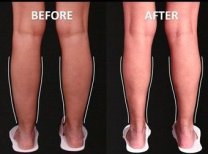
| Turquia | EUA | México | |
| Redução da barriga da perna | de $1,800 | de $6,500 | de $3,000 |
| Redução da barriga da perna por radiofrequência | de $2,400 | - | - |
O Dr. Yaman trata de 500 a 600 pacientes anualmente, com foco em resultados de aparência natural e alta satisfação do paciente.
Especializado em redução de panturrilha no Hospital Memorial Şişli, o Dr. Ozturk aplica precisão e expertise estética em cada procedimento.
O Professor Firat é especializado em cirurgia estética e reconstrutiva no Complexo Hospitalar Medical Park Antalya, com foco em técnicas cirúrgicas precisas.
Especializado em cirurgia plástica com foco em procedimentos estéticos como redução de panturrilha. Treinado no Hospital de Treinamento e Pesquisa Ankara Numune.
De acordo com a Bookimed, a Turquia é um ótimo lugar para Redução de Panturrilhas, com muitas clínicas e hospitais especializados em cirurgia plástica e cosmetologia. Aqui estão algumas das principais clínicas na Turquia que oferecem Redução de Panturrilhas:
Essas clínicas possuem tecnologias de ponta, equipamentos médicos avançados e médicos experientes que realizaram inúmeras cirurgias de Redução de Panturrilhas com sucesso.
Nos últimos anos, a Turquia se tornou um destino popular para o turismo médico, com mais de 700.000 turistas médicos visitando o país anualmente. Pacientes de vários países, incluindo Reino Unido, Alemanha, Rússia e Oriente Médio, vêm à Turquia para receber cuidados médicos.
A taxa de sucesso para Redução de Panturrilhas na Turquia é alta, com muitos pacientes relatando resultados positivos e melhor qualidade de vida. Os médicos que realizam a Redução de Panturrilhas na Turquia têm anos de experiência e são altamente qualificados. Muitos deles receberam treinamento em importantes instituições médicas na Europa e nos EUA.
As clínicas que oferecem Redução de Panturrilhas apresentam uma alta taxa de satisfação dos pacientes, com muitos pacientes deixando avaliações positivas sobre suas experiências. Em resumo, a Turquia é um ótimo lugar para Redução de Panturrilhas devido aos seus médicos experientes, equipamentos médicos avançados e alta taxa de satisfação dos pacientes. Pacientes de vários países vêm à Turquia para receber cuidados médicos, e a taxa de sucesso para Redução de Panturrilhas na Turquia é alta.
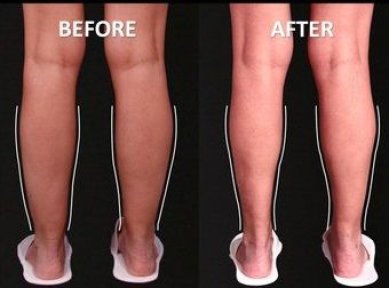
A classificação da Bookimed revelou os 5 principais hospitais na Turquia para Redução de Panturrilha:
A Bookimed identificou os melhores médicos na Turquia que se destacam na realização de Redução de Panturrilha:
Board-certified plastic surgeons in Turkey are legally authorized to perform calf reduction procedures. The Ministry of Health mandates that only specialists in Plastic, Reconstructive, and Aesthetic Surgery can perform invasive body contouring. These experts complete six years of medical school and five years of residency.
Bookimed Expert Insight: Data shows that leading Turkish surgeons often pursue narrow sub-specializations. Dr. Hakan Bulam and Dr. Asli Datli both hold fellowships in microsurgery and European Board certifications. This advanced training is vital for calf reduction, as the procedure requires precise handling of nerves and muscle tissue. Choosing a doctor with international fellowships often correlates with more refined aesthetic results.
Patient Consensus: Patients note it is important to verify case-specific experience because calf reduction is a niche procedure. Many say they felt more confident after seeing before-and-after photos of previous lower-leg surgeries. Patients also highlight the value of confirming that the lead surgeon performs all key steps of the contouring themselves.
Verifying a doctor for calf reduction in Turkey involves confirming specialized certifications and surgical volume. Look for surgeons holding European Board (EBOPRAS) or Turkish Board certifications in plastic surgery. Dedicated experience in lower extremity contouring and microsurgery is essential for managing muscle and nerve-related techniques safely.
Bookimed Expert Insight: Data shows that anatomical expertise is the most reliable indicator for this niche procedure. For instance, Dr. Selchuk Aytach holds a Ph.D. in anatomy, which provides a deeper understanding of muscle structures compared to general aesthetic training. When choosing a surgeon, prioritize those with academic backgrounds in anatomy or specialized microsurgery fellowships, such as Dr. Asli Datli training in Seoul.
Patient Consensus: Patients note it is vital to ask for the exact number of calf procedures rather than just total years in practice. Many say they felt more confident after seeing unfiltered photos of results on calves with similar muscularity to their own. They also suggest checking how clearly the surgeon explains the recovery timeline for walking and swelling.
Calf reduction doctors in Turkey generally speak English, as many hold international board certifications and academic backgrounds. Leading surgeons often complete fellowships in the US or UK. They frequently maintain bilingual practices to assist the large number of international patients seeking specialized lower extremity contouring.
Bookimed Expert Insight: A clear indicator of a surgeon's English proficiency is their high school education. For example, Dr. Can Uslu attended Robert College, a prestigious English-language institution in Istanbul. Doctors with this educational foundation often possess native-level fluency, which is beneficial for discussing nuanced aesthetic goals like muscle symmetry.
Patient Consensus: Patients note that while surgeons often speak English, staff members like nurses or receptionists might not. They mention that coordinators play a key role in explaining recovery steps. It is helpful to have questions written down to ensure every detail is clear during the hospital stay.
Calf reduction in Turkey is safe for Australian patients who select JCI-accredited hospitals and board-certified surgeons. Facilities use radiofrequency and Vaser liposuction for precision. Safety is maintained through international hygiene protocols and experience serving thousands of global patients annually.
Bookimed Expert Insight: Patient safety often hinges on surgeon volume rather than clinic size. Major university hospitals serve 1,000,000+ patients annually. However, specialised private practices like Estethia or Mono Medical often offer more focused aftercare. Selecting a surgeon with EBOPRAS certification provides extra credentialing recognised in Australia.
Patient Consensus: Patients emphasise that success depends on finding a surgeon who prioritises post-operative plans. Many travellers in Turkey found recovering from body contouring more demanding than expected. They recommend budgeting for extra recovery days. Patients should also check that travel insurance covers medical evacuation before departing Australia.
Turkish clinics provide surgical and non-surgical calf reduction techniques. These include VASER liposuction, radiofrequency (RF) reduction, and muscle reshaping. Specialists in Istanbul and Antalya perform these procedures at JCI-accredited facilities. Costs typically range from $1,800 to $2,200. This saves Australians up to 76% compared to local rates.
Bookimed Expert Insight: Many clinics list calf reduction as a single service. However, surgeons like Dr. Hakan Bulam distinguish between lipoedema surgery and aesthetic contouring. Patients should check if their surgeon holds European Board (FEBOPRAS) certification. These specialists often provide sophisticated microsurgical techniques for lower extremity reconstruction.
Patient Consensus: Patients in Turkey suggest checking before-and-after photos specifically for calf cases. This helps to ensure symmetry. They recommend clarifying scar placement and confirming telehealth follow-up plans before returning to Australia.
Calf reduction recovery in Turkey generally allows for a return to light work within 10 to 14 days. Non-surgical Botox has minimal downtime. Radiofrequency techniques require a 14-day initial phase. Surgical options like neurectomy or resection often need 3 to 4 weeks for primary healing.
Bookimed Expert Insight: Many patients overlook that Turkish specialists often combine VASER liposuction with muscle treatments for better contouring. This improves the final look. However, it typically adds 5–7 days of soreness compared to isolated procedures.
Patient Consensus: Expect two distinct recovery phases in Turkey. Walking usually feels normal within 2 weeks, but swelling persists. Arrange help for personal care during the first week since mobility remains limited.
All-inclusive calf reduction packages in Turkey bundle surgical fees, hospital stays, and logistics. These packages typically cover radiofrequency or liposuction techniques and JCI-accredited facility costs. They also include VIP airport transfers and 4 or 5-star hotel accommodation for 5–7 nights.
Bookimed Expert Insight: While most packages include hotel stays, some top clinics use specialised hospital designs. For example, Memorial Bahçelievler uses eco-friendly designs to support recovery. Patients should confirm if the package includes local transfers for follow-up check-ups. Some deals only cover arrival and departure trips.
Patient Consensus: Patients find that bundled logistics remove the stress of navigating Turkey alone. They recommend getting a written list of inclusions. This helps confirm that hospital fees and compression garments are fully covered.
The choice between Istanbul and Antalya depends on the desired recovery environment. Istanbul has more JCI-accredited hospitals and European Board-certified surgeons (EBOPRAS). Antalya provides a resort-style atmosphere for quieter rehabilitation. Both cities offer calf reduction from $1,800 to $2,200.
Bookimed Expert Insight: Many choose Antalya for the coastal scenery. However, Istanbul's high patient volume is a major advantage. Large centres like Medipol Mega serve 1,000,000+ patients annually. This means teams have specialised experience managing the mobility needs of lower-limb recovery.
Patient Consensus: Australians often find that local surgeon experience and post-operative follow-up matter most. Patients in Turkey suggest requesting written timelines for activity. They also recommend confirming telehealth options before flying home.
A saúde é o principal setor de desenvolvimento do governo turco. As autoridades turcas estão convencidas de que o cuidado com a saúde dos cidadãos deve ser uma prioridade absoluta da política estadual e gastam cerca de 77 bilhões de liras com saúde anualmente.
Como resultado, 28.000 instalações médicas proporcionam excelente atendimento médico no país. Cerca de 50 centros possuem certificado do JCI (Joint Commission International), o aprimorador internacional da qualidade e segurança na área da saúde em todo o mundo. O índice de certificados obtidos é o maior. Para comparar, Israel possui 20 instalações acreditadas pelo JCI, e a Alemanha — apenas 10 clínicas deste tipo.
| Moeda | lira (você também pode pagar pelos serviços em dólares e euros) |
| Melhor período para a viagem | Maio-Outubro |
| Idioma | Turco (a maioria da equipe médica fala inglês fluentemente) |
| Visto | não é necessário para uma viagem de pelo menos 30 dias por visita |
| Diferença de horário com a Europa | 3 horas |
| Diferença de horário com os EUA | 8 horas |
| Capital | Ankara |
| Centro de turismo médico | Istambul |
| Resorts populares | Alanya, Antália, Kemer, Marmaris |
Na Turquia, hotéis de diferentes preços e níveis de serviço são apresentados. O nível dos hotéis turcos é comparável aos hotéis na Tunísia, Marrocos ou Egito. A maioria dos turistas escolhe hotéis de 4 e 5 estrelas com refeições all-inclusive. Esses hotéis têm tudo para uma estadia confortável: comida variada, um grande território bem cuidado, animação para crianças e adultos. Alguns hotéis têm seu próprio parque aquático, que os hóspedes podem usar gratuitamente. Viajantes com orçamento limitado podem reservar um hotel econômico de 3 estrelas com meia pensão ou sem refeições.
A principal vantagem dos resorts turcos é a longa temporada de praia. Na costa do Mediterrâneo, começa em abril e dura até novembro. Nos resorts do Mar Egeu — de maio a outubro. A época mais confortável para nadar é de meados de junho até o final de outubro. Um grande fluxo de turistas ocorre em julho-agosto, quando a temperatura do ar é de +38°C, e a água aquece até +27°C.
Em 2020, a República da Turquia tem acordos de isenção de visto com 89 estados. Alguns estrangeiros estão isentos de obter vistos de entrada, outros são obrigados a receber um visto eletrônico (e-Visa), e ainda outros devem solicitar um visto em missões turcas no exterior.
Quais estados precisam de visto para tratamento na Turquia e quais países podem cruzar a fronteira de forma livre e fácil, leia aqui.
Vistos para viagem à Turquia requerem um número de documentos. Os documentos necessários podem ser submetidos 90 dias antes da partida planejada. A lista de documentos inclui: