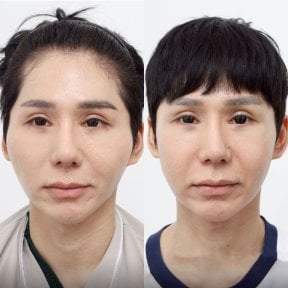
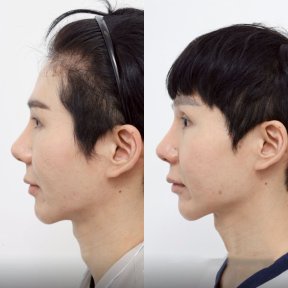
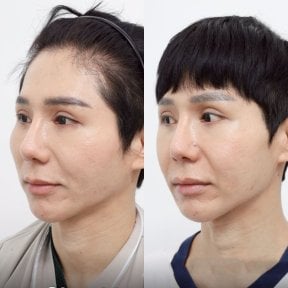
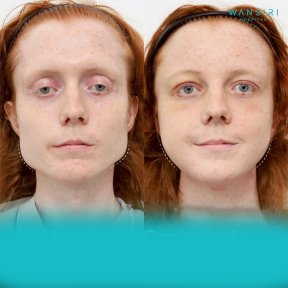
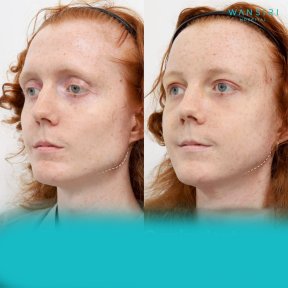
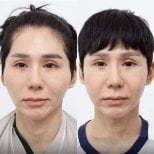
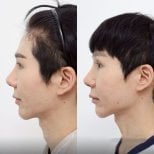
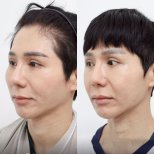
Cirurgiões tailandeses qualificados para redução de maçãs do rosto devem possuir certificação em cirurgia plástica e treinamento específico em técnicas craniomaxilofaciais. Os melhores especialistas frequentemente completam fellowships na Coreia do Sul ou Austrália. Eles devem operar em hospitais que possuam acreditação da Joint Commission International (JCI) para segurança.
- Certificação: Os cirurgiões devem possuir diplomas da Society of Plastic Surgeons of Thailand.
- Treinamento craniofacial: Procure certificados em cirurgia óssea facial do Chang Gung Memorial Hospital.
- Afiliações internacionais: A filiação à International Society of Aesthetic Plastic Surgery (ISAPS) sinaliza padrões globais.
- Volume cirúrgico: Especialistas líderes como o Dr. Tanongsak Panyawirunroj realizaram mais de 15.000 procedimentos.
Visão do Especialista Bookimed: Dados mostram que os principais cirurgiões tailandeses frequentemente priorizam a dupla formação em cirurgia geral e plástica antes de se especializarem. Por exemplo, o Dr. Sarut Chaisrisawadisuk completou fellowships tanto na Austrália quanto na Espanha, especificamente para feminização facial e técnicas craniomaxilofaciais. Essa exposição internacional é um indicador chave da capacidade de um cirurgião de realizar remodelagens ósseas complexas com segurança.
Consenso dos pacientes: Os pacientes enfatizam a importância de encontrar um especialista que realize pelo menos 50 casos de contorno ósseo por ano. Eles observam que ver simulações 3D durante a consulta os ajuda a se sentirem muito mais confiantes sobre o resultado final. Muitos especialistas na Tailândia usam ferramentas especializadas, como serras piezoelétricas, para tornar os cortes ósseos mais precisos.