Zhang Jinshan
- Especialização: Clinical oncologist
- 41 anos de experiência
- Fala:English, Chinese
- Consultas online: disponível
- Local de trabalho: China, Chengdu, uni-asia hospital
Consulta online com Zhang Jinshan
Serviços do médico
- Transplante de medula óssea
- Radioterapia
- Crioterapia
- Cirurgia de tumor hipofisário
- Gama Knife para tumor cerebral
- Transplante autólogo de medula óssea
- Quimioterapia do linfoma
- Cirurgia de sarcoma
- Transplante de Células Estaminais Haploidênticas
- Excisão de tumor da base do crânio
- Resseção transnasal de tumor
- Enucleação do olho
- Quimioterapia para leucemia
- Terapia biológica
- CyberKnife para tumor cerebral
- Cirurgia de tumor cerebral
- Remoção de tumor cerebral
- CyberKnife
- Radiocirurgia estereotáxica
- Tratamento complexo do sarcoma de Ewing
- Imunoterapia do Sarcoma
- Resseção óssea
- Quimioterapia para Sarcomas
- Terapia de Radiação para Sarcomas
- Tratamento complexo do neuroblastoma
- Tratamento complexo do rabdomiossarcoma
- Tratamento complexo do nefroblastoma
- Remoção de nefroblastoma
- Remoção de rabdomiossarcoma
- Tratamento complexo do retinoblastoma
- Criodestruição
- Quimioterapia intra-arterial
- Tomoterapia
- Transplante alogénico de medula óssea de dador relacionado
- Terapia de radiação para tumor cerebral
- Transplante alogénico de medula óssea de dador não relacionado
- Halcyon
- Quimioterapia
- Imunoterapia
- Ablação por radiofrequência
- Histerectomia (remoção do útero)
- Prótese testicular
- Terapia com iodo radioativo
- Nefrectomia
- Tireoidectomia
- Mastectomia
- Terapia direcionada
- Terapêutica hormonal
- Imunoterapia com Keytruda (Pembolizumab)
- Terapia com Lutécio-177
- Terapia de protão
- Prostatectomia robótica da Vinci
- Cirurgia por Ultrassom Focado guiada por Ressonância Magnética (MRgFUS)
- Quimioterapia Intraperitoneal Hipertérmica (HIPEC)
- HIFU para o tratamento do cancro da próstata
- Ablação por ultrassons focados de alta intensidade (HIFU)
- NanoKnife
- Remoção de tumor da medula espinhal
- Cirurgia de cancro do pâncreas
- Microcirurgia de Mohs
- Cirurgia a laser
- Cirurgia do cancro da mama
- Prostatectomia
- Orquiectomia
- Cirurgia de Whipple
- Craniotomia
- Resseção hepática
- Resseção da tiroide
- Cirurgia de cancro do estômago
- Remoção de pólipos gástricos
- Colectomia (resseção do intestino grosso)
- Remoção de meningioma
- Remoção de cancro do cólon
- Braquiterapia
- Histerectomia Laparoscópica
- Cirurgia ao cancro do pulmão
- Remoção da bexiga
- Sistema Robótico Da Vinci
- Braquiterapia para o cancro da próstata
- Ablação por radiofrequência do fígado
- Remoção de cancro do fígado
- Esofagectomia
- Resseção óssea com substituição por implante
- Quimioterapia para cancro da mama
- Histerectomia com robô DaVinci
- Imunoterapia para o cancro do pulmão
- Gastroctomia
- Quimioembolização do fígado
- Lumpectomia
- Resseção retal
- Resseção transuretral da próstata (RTUP)
- Nefrectomia laparoscópica
- Remoção de tumor testicular
- Lobectomia
- Radioterapia para cancro da mama
- Cirurgia de cancro da língua
- Radioterapia para o cancro da próstata
- Pneumonectomia
- Remoção da bexiga com reconstrução
- CyberKnife para cancro da próstata
- Resseção do intestino delgado
- Cirurgia do melanoma
- Operação ao cancro da garganta
- Imunoterapia para o cancro da próstata
- Terapia com Bacilo de Calmette-Guérin (BCG)
- Cirurgia do cancro do ovário
- Terapia SIRT
- Timectomia
- Quimioterapia para câncer do pulmão
- Xofigo Rádio-223
- Imunoterapia para o cancro da mama
- Ooforectomia laparoscópica (cirurgia de remoção do ovário)
- Resseção transuretral da bexiga
- Nefrectomia com Robô Da Vinci
- Radioembolização para cancro do fígado
- Radioterapia para cancro do colo do útero
- Terapia por protões para cancro da próstata
- Terapia com iodo radioativo no cancro da tiroide
- Remoção de parte do tumor e nervo do olho
- Disseção de gânglios linfáticos
- Prostatectomia laparoscópica
- A operação de Wertheim-Meigs
- Gastroenterostomia
- Terapia de radiação para o cancro colorretal
- Quimioterapia para o cancro do cólon
- Linfadenectomia
- Laringectomia
- Resseção de glioblastoma
- Resseção do esófago
- Traquelectomia (cervicectomia)
- CyberKnife para cancro do pulmão
- Resseção de glioma
- Braquiterapia para câncer do útero
- Quimioterapia para cancro do fígado
- Excisão alargada de melanoma
- Cirurgias estereotáxicas
- Quimioterapia para cancro do estômago
- Radioterapia para Tumor Cerebral
- Quimioterapia para o câncer do pâncreas
- Hemicolectomia
- Cirurgia a laser para cancro da laringe
- Terapêutica hormonal para câncer da próstata
- Pancreatectomia distal
- Radioscirurgia de um tumor cerebral
- Radioterapia para cancro do pulmão
- Terapia alvo para câncer do pulmão
- Ooforectomia
- Segmentectomia pulmonar
- Quimioterapia para o cancro do útero
- Imunoterapia para cancro do rim
- Resseção do intestino grosso
- Crioterapia para o cancro renal
- Tratamento do Cancro Ocular (Tratamento do cancro do olho)
- Terapia com Actínio-225
- Tireoidectomia subtotal
- Enucleação de tumor no pâncreas
- Terapia com células CAR NK
- Omentectomia
- Radioterapia para cancro da garganta
- TrueBeam
- Cirurgia de oncologia ocular
- Terapia de protões para cancro da mama
- Remoção de Leiomiossarcoma
- Terapia de radiação para cancro do estômago
- Terapia glandular para o cancro da mama
- Terapêutica tópica do melanoma
- Resseção sincrónica do fígado/pulmão com metástases
- Hemipelvectomia
- Quimioterapia para câncer do ovário
- Cirurgia dermatológica
- Incisão transuretral da próstata (ITUP)
- Quimioterapia para o cancro do útero
- Quimioterapia para cancro do rim
- Quimioterapia para o cancro da laringe
- Resseção em Cunha
- Quimioterapia para Tumor Cerebral
- Quimioterapia para cancro da próstata
- Tratamento complexo do cancro da tiroide
- Radioterapia para o cancro do ovário
- Mesorrectumectomia robótica total
- Resseção de tumor laríngeo
- Quimioterapia para cancro da vesícula biliar
- Quimioterapia para o cancro testicular
- Terapia de radiação para carcinoma esofágico
- Terapia de radiação para cancro testicular
- Radioterapia para o cancro do útero
- Terapia de privação de androgénios
- Oncoterapia
- Gastrectomia Da Vinci
- Terapia de radiação para câncer renal
- Quimioterapia para carcinoma esofágico
- Terapia com Células Natural Killer (Terapia com Células NK)
- Resseção anterior baixa robótica
- Ablação transuretral por agulha
- Resseção de meduloblastoma
- Células Estaminais do Sangue Periférico
- Glossectomia Parcial
- Radioterapia para cancro do intestino
- Mesorrectomomia laparoscópica
- Intrabeam
- Terapia intravenosa de curcumina
- Gama-knife para tumor espinhal
- Terapia Intravenosa de Resveratrol
- Segmentectomia pulmonar robótica
- Traquelectomia uterina
- Brachyterapia raka piersi
- Terapia CAR-T para mieloma múltipl
- Paratiroidectomia
- Histerectomia robótica
- Nefrectomia radical robótica
- Terapia CAR-T w DLBCL
- Terapia CAR-T para LLA pediátrica
- Plasmaférese DFPP
- Aférese seletiva
- Aférese terapêutica
- Troca de plasma
- RM de uma área
- Biópsia
- Angiografia
- Oftalmoscopia
- Ressonância magnética da cavidade abdominal
- Tipagem HLA
- Ressonância Magnética ao cérebro com contraste (sequência FLAIR)
- Biópsia da medula óssea
- Teste de Sangue para Marcadores Tumorais
- Consulta Online com Oncologista
- TC (tomografia computadorizada)
- Colonoscopia
- PET/TAC
- Mamografia
- Ressonância magnética cerebral
- Consulta Online com Dermatologista
- Testes de função tiroideia (incluindo T3, T4, TSH)
- Radiografia Torácica
- Rastreio do cancro
- Ressonância Magnética de Corpo Inteiro
- Biópsia Testicular
- PET-TC com Gálio 68(PSMA)
- Gastroscopia com biópsia
- Biópsia mamária
- Tomografia computadorizada de corpo inteiro
- Consulta online com Cirurgião
- Biópsia renal
- Biópsia da tiroide
- Biópsia hepática
- Dermatoscopia
- PET-TC com Gálio 68 (DOTATATE)
- Biópsia pulmonar
- Consulta Online com Hematologista
- Fibroscan
- Biópsia cerebral
- Biópsia do pâncreas
- Imunohistoquímica
- RM-PET
- Tomografia PET-CT com Gálio 68 (DOTA)
- TAC dos órgãos torácicos, abdominais e pélvicos
- Check-up Oncológico para Homem
- Biópsia do Ovário
- Acelerador Linear de Ressonância Magnética
- Diagnóstico abrangente da patologia colorretal
- Teste de mutação KRAS, NRAS, BRAF
- Tomografia computadorizada rápida
- Rastreio de cancro de pele com dermatoscopia (melanoma e não melanoma)
- Biópsia cutânea
- Mapeamento de nevos e dermatoscopia digital para avaliação de nevos
- Watson para Oncologia
- Ecografia
Como estamos indo?
Qualificações
Zhang Jinshan, male, China’s First M.D. in the Radiation Medicine, CCI (Chinese College of Interventionalists) Master Interventionalist, Director of the Department of Former Radiological Diagnosis at Chinese PLA General Hospital(No.3 in China) Ph.D. of Medicine, Nagasaki University, Japan.
1980–1985: Completed doctoral studies at Nagasaki University, Japan
1968–present: Department of Radiology, Chinese PLA General Hospital
1988: Third Prize of the Military Science and Technology Progress Award
1989–present: Member of Radiological Society of North America(RSNA)
1990–2009: Standing Committee Member of the Radiology and Therapeutic Radiology Committee of the PLA
1991: Second Prize of the Military Science and Technology Progress Award
1992–2008: Group Leader of the Group of Intervention of Chinese Journal of Radiology
1992–2015: Standing Editorial Board Member and Editorial Board Member of Journal of Interventional Radiology
1993: Granted the Lifetime Special Government Allowance of the State Council
1993–2012: Deputy Chief Editor of Chinese Journal of Medical Image Technology
1994: Third Prize of the Military Science and Technology Progress Award
1997: Second Prize of the Military Science and Technology Progress Award
1997–2009: Standing Member of Chinese Society of Radiology
1999: Third Prize of the Military Science and Technology Progress Award
1999–2010: Deputy Director Member of Chinese Society of Interventional Oncology
2002: Second Prize of the Military Science and Technology Progress Award
2005: Third Prize of the Military Science and Technology Progress Award
Member of Radiological Society of North America(RSNA)
Standing Member of Chinese Society of Radiology
Group Leader of the Group of Intervention of Chinese Journal of Radiology
Deputy Director Member of Chinese Society of Interventional Oncology
Director Member of Beijing Medical Association Society of Interventional Radiology
Deputy Chief Editor of Chinese Journal of Medical Image Technology
Standing Member of Professional Committee of Radiological Medicine of the Chinese People’s Liberation Army
Standing Editorial Board Member and Editorial Board Member of Journal of Interventional Radiology
Awarded the Special Government Allowance of the State Council
Awarded three Second Prizes and four Third Prizes for Military Science and Technology Progress.
Awarded the honorary title of “Chinese College of Interventionalists(CCI) Master Interventionalist”
Led multiple national and provincial/ministerial scientific research projects, including two projects funded by the National Natural Science Foundation of China and two projects funded by the Department of Science and Technology of Sichuan Province.
In the pioneering development of interventional medicine in China, Zhang Jinshan has been an indispensable founder and leading figure. As China’s first overseas-trained doctoral graduate in radiological medicine, he returned to China in the 1980s after completing his studies abroad and introduced cutting-edge international interventional technologies to the country. Over more than four decades of dedicated practice and research, he has helped propel Chinese interventional medicine from its infancy to a position at the forefront of the global field through his exceptional clinical expertise and profound academic accomplishments.
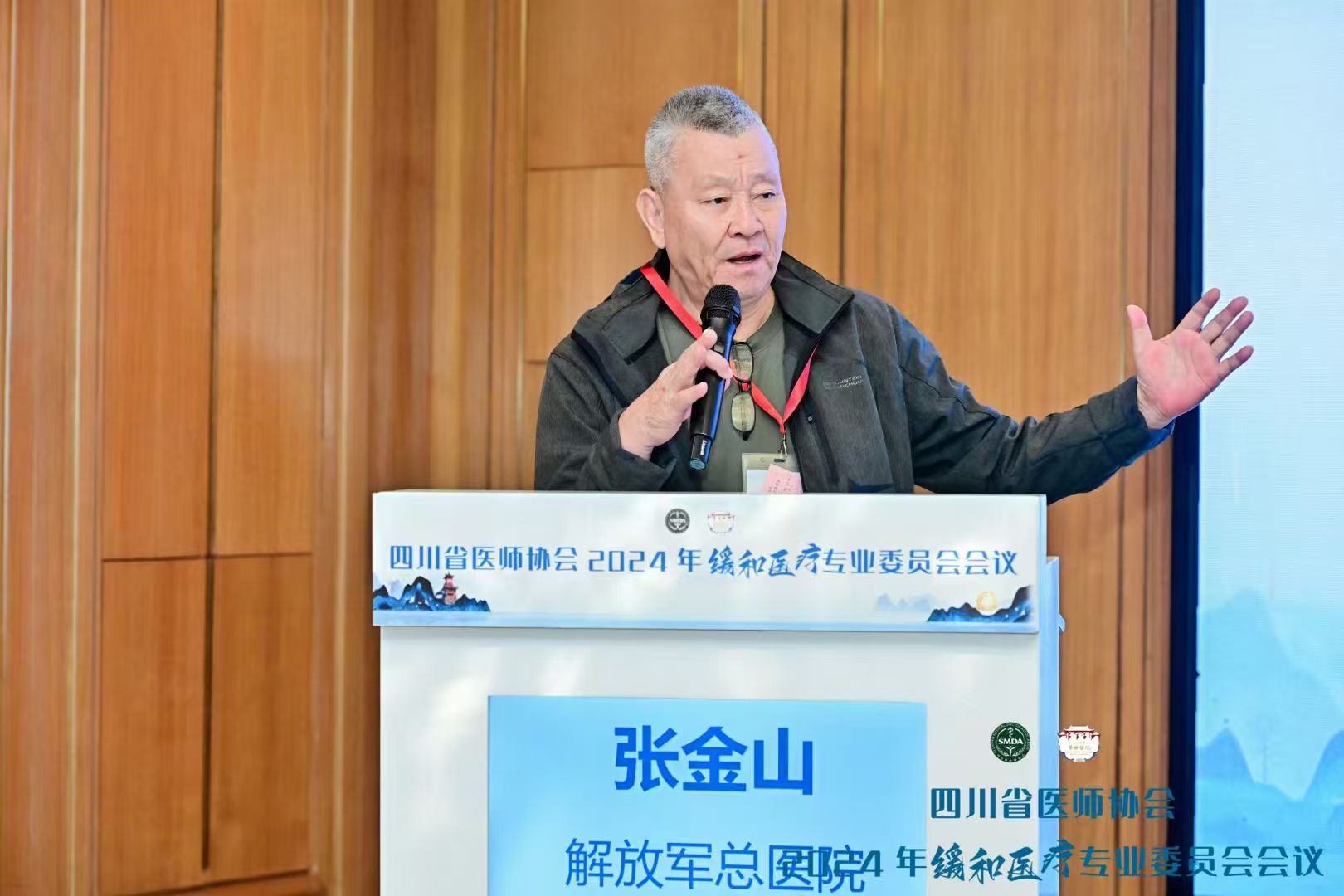
Professor Zhang Jinshan has long been dedicated to the field of medical imaging and has developed distinctive expertise in selective and superselective interventional diagnosis and treatment for solid tumors such as liver cancer, demonstrating exceptional technical proficiency and profound academic accomplishment. Beginning in the 1990s, he led his team in pioneering the clinical application and research of TIPSS and B-ORTO in China, filling major gaps in the domestic field and opening new paths for the interventional management of gastrointestinal bleeding caused by portal hypertension secondary to liver cirrhosis. In addition, he has made groundbreaking contributions to the interventional diagnosis and treatment of peripheral vascular diseases, as well as to preoperative embolization for spinal tumors.
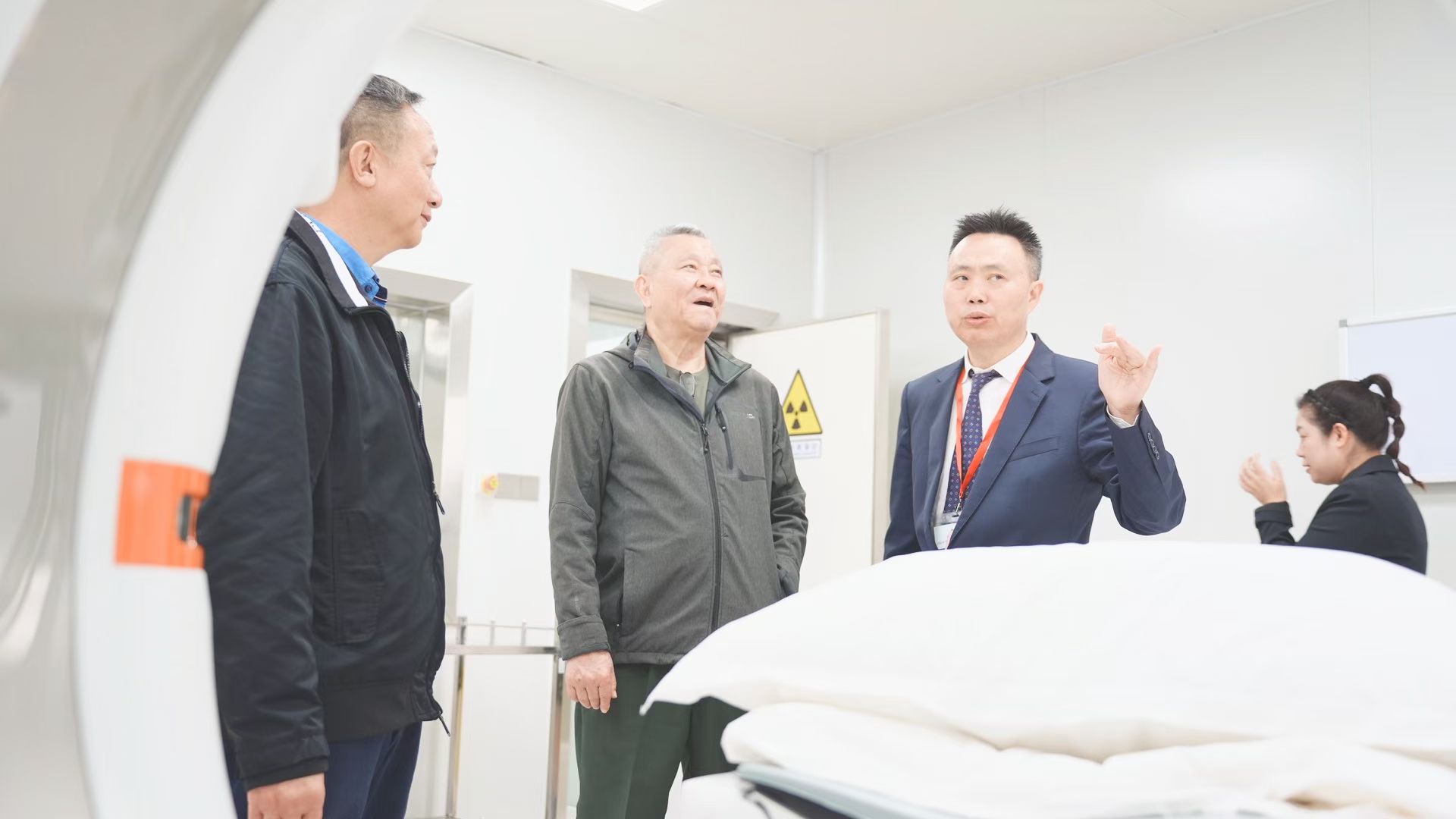
In the field of liver cancer treatment, Professor Zhang Jinshan not only led the development of standardized treatment protocols for liver cancer but also pioneered Transcatheter Arterial Chemoembolization with temporary Hepatic Vein Thrombosis (TACE-THVO) for primary liver cancer, bringing the efficacy of interventional therapy to a new level. In recognition of his outstanding clinical and scientific contributions, he was awarded the honorary title of “Chinese Master of Interventional Radiology” at the 2019 annual conference of the Chinese College of Interventionalists.
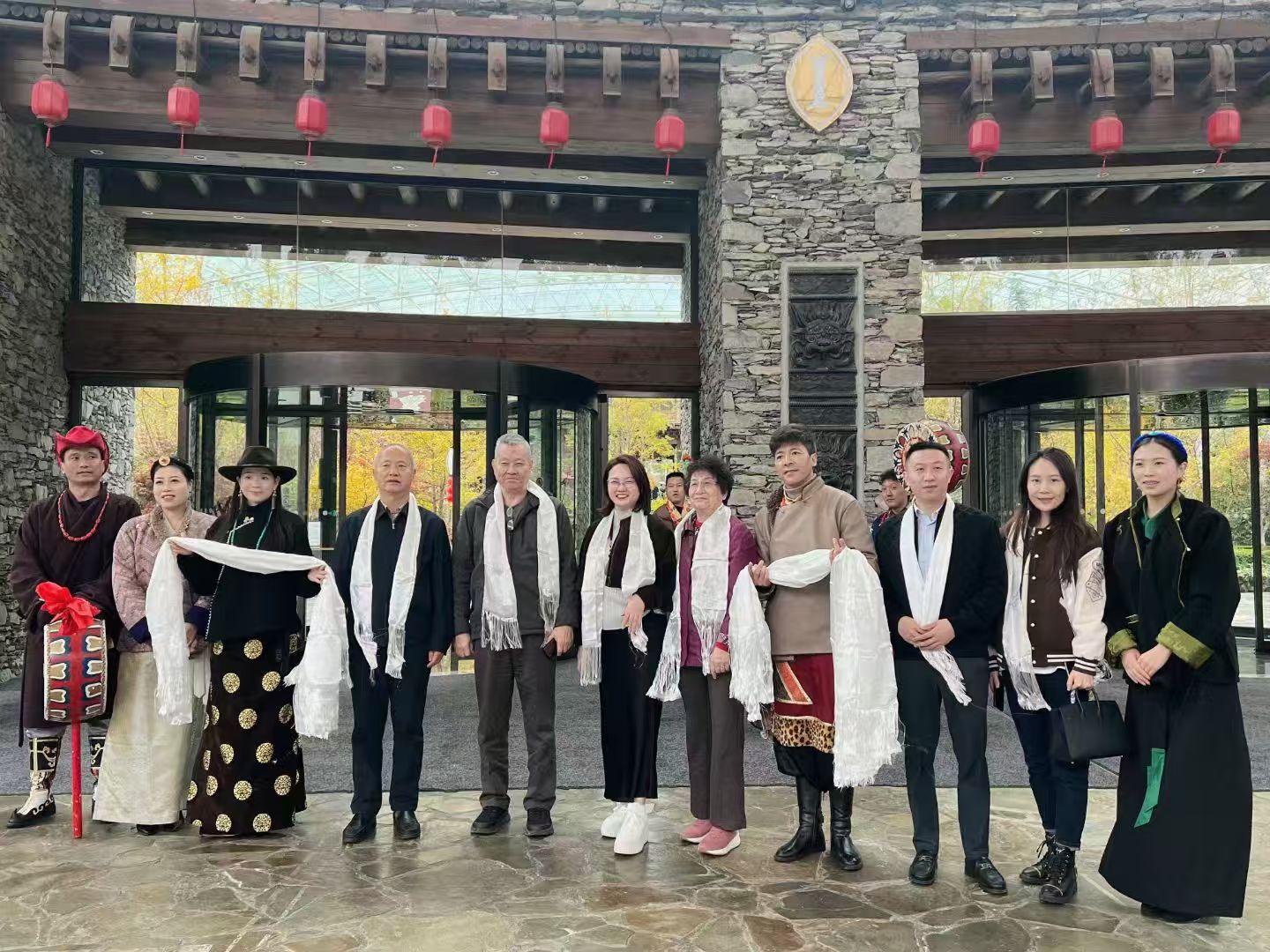
Professor Zhang Jinshan is not only a master clinician but also a driving force in the development of the discipline and a dedicated mentor in talent cultivation. He led his team in establishing one of China’s premier interventional therapy centers. As a doctoral supervisor, he has trained a large number of outstanding specialists and future leaders in interventional medicine, with many of his students and protégés now serving across the country. Academically, he has led multiple key national and military research projects, published more than 300 academic papers, and served as chief editor of three monographs, making remarkable contributions to the establishment of China’s academic framework for interventional medicine and the nationwide dissemination of its technologies.
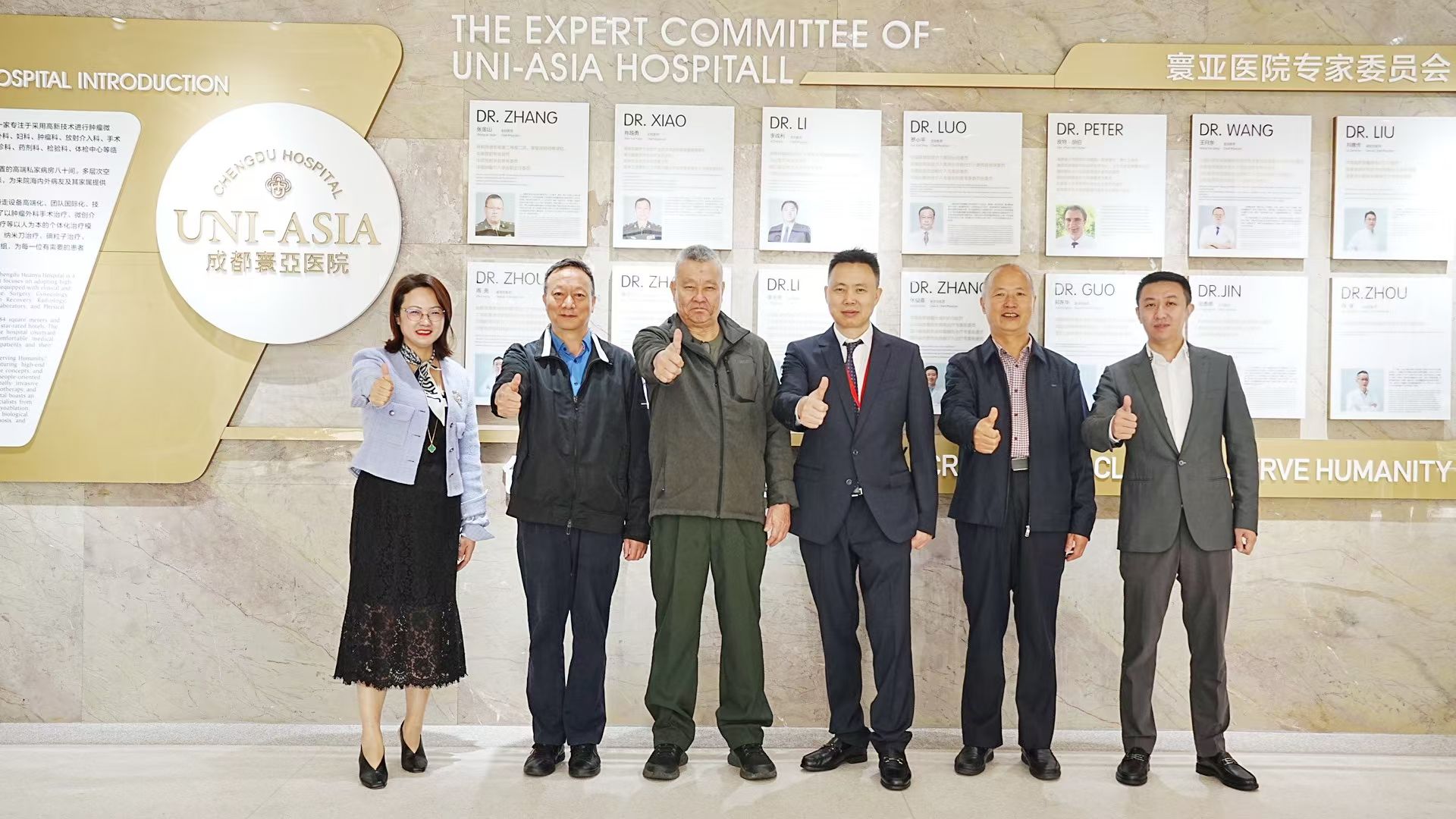
From the laboratory to the operating room, and from academic podiums to grassroots hospitals, Professor Zhang Jinshan has consistently upheld the principles of “pioneering, innovation, pragmatism, and compassion". He has devoted his life to fulfilling the mission of a physician—relieving patients’ suffering through minimally invasive techniques and advancing the discipline through academic excellence—thereby establishing himself as a truly towering figure and one of the foremost authorities in the field of interventional medicine in China.
Professor Zhang Jinshan’s Academic Achievements
Professor Zhang Jinshan has achieved prolific academic accomplishments, having published over 300 academic papers covering areas such as interventional therapy for liver cancer, minimally invasive treatment of portal hypertension, interventional treatment of vascular diseases, and tumor ablation.
Selected Publications by Professor Zhang Jinshan
1. Zhang Jinshan, Wang Maoqiang. Experiments and Clinical Studies of transjugular intrahepatic portosystemic stent shunt (TIPSS). Chinese Journal of Radiology, 1993,27(6):361-365.
Professor Zhang Jinshan is the first author. This is one of the early research papers in China that systematically elaborates on the TIPSS technique. Through animal experiments and clinical case analysis, it confirmed that TIPSS is a safe and effective minimally invasive method for treating portal hypertension and its complications, laying an important foundation for the promotion and application of this technique in China.
2.Zhang Jinshan, Li Huai. Clinical study on transcatheter arterial embolization with temporary hepatic vein occlusion for the treatment of primary liver cancer.Chinese Journal of Radiology, 1996,30(8):521-524.
Professor Zhang Jinshan is the first author. He innovatively proposed the technique of "transcatheter arterial embolization with temporary hepatic vein occlusion." Clinical results demonstrated that this method can significantly increase the drug concentration within liver cancer lesions, reduce damage to normal liver tissue, and effectively improve the therapeutic outcomes for intermediate and advanced liver cancer, providing a novel strategy for the interventional treatment of liver cancer.
3. Zhang Jinshan, Wang Maoqiang, Li Huai. Interventional treatment of Budd-Chiari syndrome. Chinese Journal of Medical Imaging Technology, 1998,14(3):189-191.
Professor Zhang Jinshan is the first author. This paper systematically summarizes the early experience in interventional treatment of Budd-Chiari syndrome in China, elaborating in detail on the key operational points and therapeutic efficacy of techniques such as percutaneous transluminal angioplasty and stent placement. It confirms that interventional therapy is the preferred minimally invasive method for Budd-Chiari syndrome, promoting the standardized development of treatment for this disease.
4.Zhang Jinshan, Li Huai, Wang Maoqiang. Clinical value of superselective hepatic arterial chemoembolization in the treatment of hypovascular liver cancer. Chinese Journal of Radiology, 2000,34(5):335-337.
Professor Zhang Jinshan is the first author. Addressing the challenges in interventional treatment of hypovascular liver cancer, this paper explores the clinical efficacy of superselective hepatic arterial chemoembolization. The results indicate that this technique can precisely target the lesions and improve the treatment response rate, providing an important clinical basis for the interventional treatment of hypovascular liver cancer.
5. Zhang Jinshan, Li Huai, Wang Maoqiang. Interventional treatment of peripheral vascular stenosis and occlusion.Chinese Journal of Radiology, 2002,36(7):612-614.
Professor Zhang Jinshan is the first author. This paper summarizes the interventional treatment experience of over 400 patients with peripheral vascular stenosis and occlusion, analyzing the indications and efficacy of techniques such as balloon angioplasty and stent placement. It confirms that interventional therapy is a safe and effective approach for peripheral vascular diseases, providing practical support for its clinical promotion.
6.Zhang Jinshan, Li Huai, Wang Maoqiang. Clinical application of CT-guided percutaneous puncture ablation in the treatment of abdominal tumors. Chinese Journal of Medical Imaging Technology, 2004,20(9):1395-1397.
Professor Zhang Jinshan is the first author. This paper explores the application value of CT-guided percutaneous puncture techniques such as radiofrequency ablation and chemical ablation in the treatment of abdominal tumors. The clinical results show that this method is minimally invasive with reliable efficacy, offering a minimally invasive treatment option for patients with inoperable abdominal tumors.
7.Zhang Jinshan, Wang Maoqiang, Li Huai. Advances in the application of interventional therapy for benign prostatic hyperplasia. Chinese Journal of Radiology, 2006,40(8):876-878.
Professor Zhang Jinshan is the corresponding author. This paper systematically reviews the cutting-edge advances in interventional therapy for benign prostatic hyperplasia, including the principles, procedures, and efficacy of techniques such as prostatic artery embolization and stent placement, providing new insights for the minimally invasive treatment of benign prostatic hyperplasia.
8.Zhang Jinshan, Li Huai, Wang Maoqiang. Discussion on the standardization of interventional therapy for liver cancer. Chinese Journal of Practical Surgery, 2008,28(10):856-858.
Professor Zhang Jinshan is the corresponding author. Drawing on years of clinical experience and research findings, he led the discussion on standardized protocols for interventional therapy of liver cancer, covering key aspects such as preoperative assessment, treatment modality selection, and postoperative management, providing important references for the formulation of clinical guidelines for interventional therapy of liver cancer in China.
Professor Zhang Jinshan co-authored monographs
1. Interventional Radiology (People's Military Medical Press, 1995): The first monograph in China to systematically discuss the theories and techniques of interventional radiology. It comprehensively elaborates on the interventional diagnosis and treatment system for tumors, vascular diseases, and non-vascular diseases, becoming a classic essential textbook for interventional physicians in China.
2.Interventional Therapy for Liver Cancer (People's Health Press, 2001): Focusing on minimally invasive interventions for liver cancer, this book systematically summarizes techniques such as TACE, ablation, and vascular intervention, refines operational standards and the prevention and management of complications, and promotes the standardization of interventional therapy for liver cancer.
3.Interventional Treatment of Portal Hypertension (Science Press, 2005): This book systematically elaborates on minimally invasive techniques for portal hypertension, such as TIPSS and B-ORTO, covering experimental research, clinical procedures, long-term follow-up, and efficacy evaluation, filling the gap in monographs on interventional treatment of portal hypertension in China.
Professor Zhang Jinshan’s Research project
1.The National "Eighth Five-Year Plan" Scientific and Technological Key Project—Clinical and Basic Research on Comprehensive Interventional Therapy for Liver Cancer (Project Leader): This project systematically explored multimodal interventional strategies for liver cancer, established the core regimen of superselective TACE combined with local ablation, and significantly improved the therapeutic outcomes for intermediate and advanced liver cancer.
2.The Military "Ninth Five-Year Plan" Key Medical Scientific Research Project—Standardized Research on TIPSS for the Treatment of Portal Hypertension (Project Leader): This project formulated China's first operational standards and postoperative management guidelines for TIPSS, reduced the incidence of complications, and promoted the popularization of this technique throughout the military and across the country.
3.National Natural Science Foundation of China Project — Research on the Mechanism of Targeted Therapy for Liver Cancer Using Hepatic Vein Occlusion Combined with Chemoembolization (Project Leader): This project revealed the synergistic enhancement mechanisms of the innovative technique at the levels of hemodynamics, drug metabolism, and the tumor microenvironment, providing theoretical support for precision interventional therapy of liver cancer.
4.Military Clinical High-Tech Major Project-Establishment and Clinical Application of the Interventional Treatment Technology System for Complex Vascular Diseases (Project Leader): This project overcame interventional challenges in complex lesions such as Budd-Chiari syndrome, peripheral vascular occlusion, and vascular malformations, forming a complete technical system that has been promoted and applied widely.
Também pode interessar
Pagamento e Recompensas
Não pague por nossos serviços
Efetue o pagamento diretamente na clínica ou na conta bancária oficial dela.
Algumas clínicas podem exigir um depósito como parte de sua política.
Divida seus pagamentos com opções de parcelamento.
Ganhe recompensas por indicar amigos ao Bookimed.